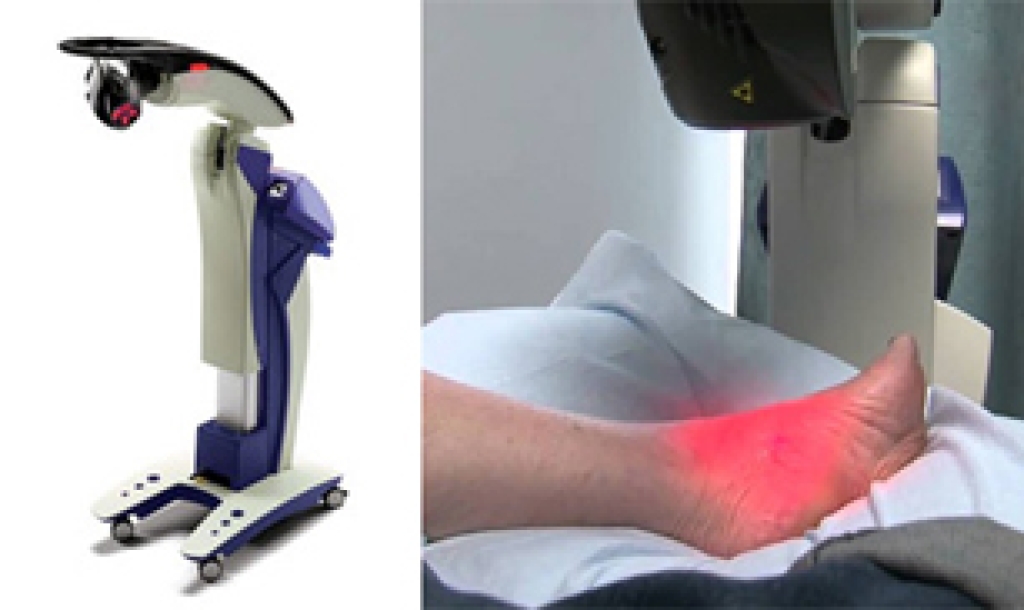
MLS Laser Therapy May Help Lessen Attacks of Raynaud’s Disease

Raynaud’s disease (also known as Raynaud's phenomenon) is a vascular condition where small blood vessels in the extremities constrict suddenly (vasospasm) in response to cold temperatures or stress. This can cause the toes to suddenly feel icy, numb or painful, and possibly even turn blue or white. As the spasms subside, a pins and needles sensation may be present and the affected area may turn red. Certain diseases, injuries or conditions may increase a person’s risk of developing Raynaud’s disease. Multiwave Locked System (MLS) laser therapy is a possible treatment option for some patients suffering from Raynaud’s disease. MLS laser therapy is an FDA cleared, non-invasive treatment modality that utilizes a combination of specific wavelengths to help repair damaged cells and accelerate the body’s natural healing mechanism. Many believe that MLS laser therapy can help reduce the frequency and severity of attacks of Raynaud’s disease. If you suffer from Raynaud’s disease, consult with a podiatrist to learn more and to discuss if you may be a good candidate for MLS laser therapy.

MLS Laser Therapy is a successful alternative for treating any pain you may be experiencing related to certain podiatric conditions.  If you are interested in MLS Laser Therapy, consult with Bill Brown, DPM from Brown Podiatry. Our doctor will assess your condition and provide you with quality foot and ankle treatment.

MLS Laser Therapy

Multiwave Locked System (MLS) Laser Therapy is a patented, FDA-cleared technology that helps relieve pain and inflammation from a number of podiatric conditions, including:

  • Heel Pain
  • Plantar Fasciitis
  • Sports Injuries
  • Wounds
  • Achilles Tendonitis
  • Arthritis
  • Neuropathy
  • Neuromas

MLS Laser Therapy is an ideal alternative to surgery and prescription medication, as it has no negative side effects and encourages accelerated healing. Among its many clinical benefits, MLS Laser Therapy also:

  • Reduces swelling due to bruising or inflammation
  • Blocks pain
  • Reduces formation of scar tissue
  • Improves nerve function

If you have any questions, please feel free to contact our office located in Scranton, PA . We offer the newest diagnostic and treatment technologies for all your foot care needs.

Read more about MLS Laser Therapy

Causes and Treatment for Hammertoe in Women

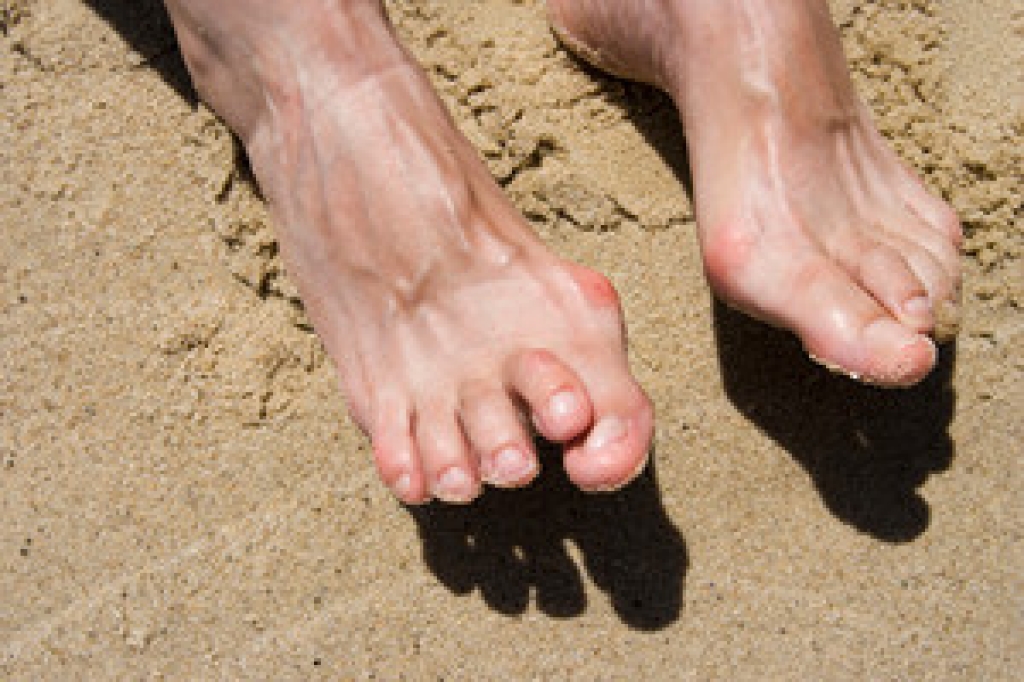
After years of wearing high heels with pointy toe boxes, or other ill-fitting shoes, many women develop hammertoes in the second and third toe. A raised bump forms on the joint of the toe, which then rubs against the top of your shoe and can become painful. One of the first things you can do to alleviate some of the discomfort is to find shoes that do not aggravate the condition. Look for shoes with a lower heel, wider toe box and softer material on top. It is also a good idea to make an appointment with a podiatrist who can examine your foot and assess the need for orthotics to help align your foot as you walk. This can improve mobility and alleviate pressure around the toes. In some cases, surgery can help to correct the condition. Your podiatrist will be able to determine the best course of treatment for you.

Hammertoe

Hammertoes can be a painful condition to live with. For more information, contact Bill Brown, DPM from Brown Podiatry. Our doctor will answer any of your foot- and ankle-related questions.

Hammertoe is a foot deformity that affects the joints of the second, third, fourth, or fifth toes of your feet. It is a painful foot condition in which these toes curl and arch up, which can often lead to pain when wearing footwear.

Symptoms

  • Pain in the affected toes
  • Development of corns or calluses due to friction
  • Inflammation
  • Redness
  • Contracture of the toes

Causes

Genetics – People who are genetically predisposed to hammertoe are often more susceptible

Arthritis – Because arthritis affects the joints in your toes, further deformities stemming from arthritis can occur

Trauma – Direct trauma to the toes could potentially lead to hammertoe

Ill-fitting shoes – Undue pressure on the front of the toes from ill-fitting shoes can potentially lead to the development of hammertoe

Treatment

Orthotics – Custom made inserts can be used to help relieve pressure placed on the toes and therefore relieve some of the pain associated with it

Medications – Oral medications such as anti-inflammatories or NSAIDs could be used to treat the pain and inflammation hammertoes causes. Injections of corticosteroids are also sometimes used

Surgery – In more severe cases where the hammertoes have become more rigid, foot surgery is a potential option

If you have any questions, please feel free to contact our office located in Scranton, PA . We offer the newest diagnostic and treatment technologies for all your foot care needs.
Read more about What Are Hammertoes?

Are You Suffering From Nerve Damage?

Neuropathy is a condition that can lead to numbness or loss of sensation in the feet, but it can also cause pain. This condition is more likely to develop for those who are diabetic, obese, or with high blood pressure.

Heel Pain Is Often Caused by Plantar Fasciitis

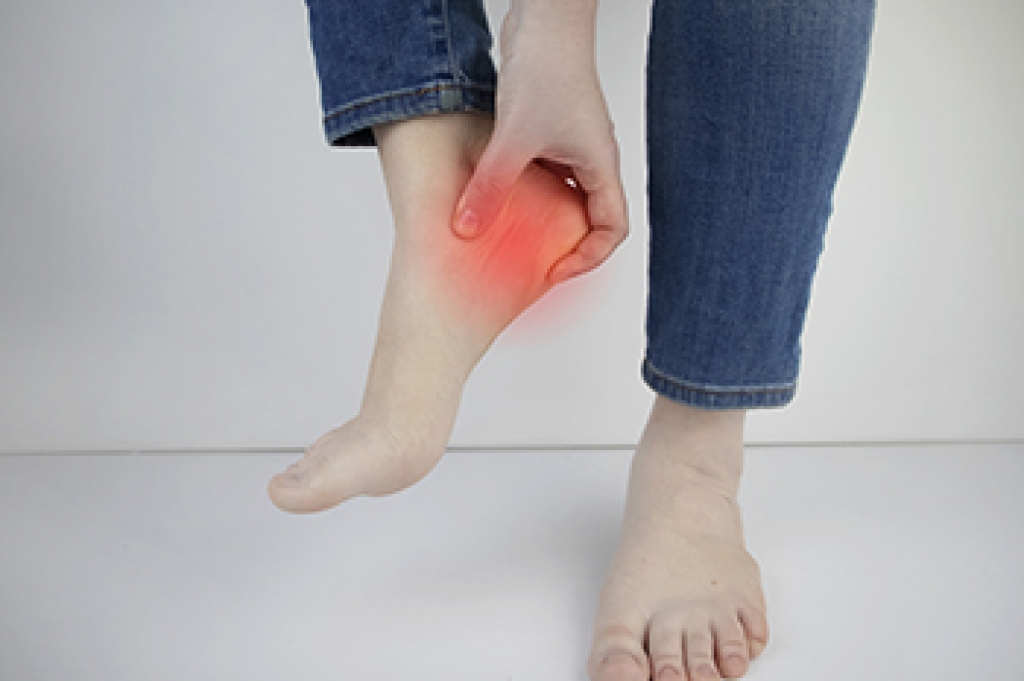
The plantar fascia is a thick band of tissue on the bottom of the foot that connects the heel with the forefoot. Because the plantar fascia is so instrumental in the mechanics of walking, it can become overloaded and stressed from overuse, excess weight, structural issues in the foot, or improper footwear. This strain can cause the plantar fascia to become excessively stretched, painful and inflamed. Tiny tears may also develop in the tissue, particularly where it connects with the heel bone. This condition is known as plantar fasciitis. The pain of plantar fasciitis tends to be worse in the morning or after periods of rest, and may lessen as you move around and warm up. Wearing footwear with insufficient support in the heel or walking barefoot can intensify the pain. If you believe you may have plantar fasciitis, it is important to seek the care of a podiatrist as soon as possible to treat the condition before it worsens.

Plantar fasciitis can be very painful and inconvenient. If you are experiencing heel pain or symptoms of plantar fasciitis, contact Bill Brown, DPM  from Brown Podiatry. Our doctor can provide the care you need to keep you pain-free and on your feet.

What Is Plantar Fasciitis?

Plantar fasciitis is the inflammation of the thick band of tissue that runs along the bottom of your foot, known as the plantar fascia, and causes mild to severe heel pain.

What Causes Plantar Fasciitis?

  • Excessive running
  • Non-supportive shoes
  • Overpronation
  • Repeated stretching and tearing of the plantar fascia

How Can It Be Treated?

  • Conservative measures – anti-inflammatories, ice packs, stretching exercises, physical therapy, orthotic devices
  • Shockwave therapy – sound waves are sent to the affected area to facilitate healing and are usually used for chronic cases of plantar fasciitis
  • Surgery – usually only used as a last resort when all else fails. The plantar fascia can be surgically detached from the heel

While very treatable, plantar fasciitis is definitely not something that should be ignored. Especially in severe cases, speaking to your doctor right away is highly recommended to avoid complications and severe heel pain. Your podiatrist can work with you to provide the appropriate treatment options tailored to your condition.

If you have any questions, please feel free to contact our office located in Scranton, PA . We offer the newest diagnostic and treatment technologies for all your foot care needs.

Read more about Plantar Fasciitis

Connect With Us