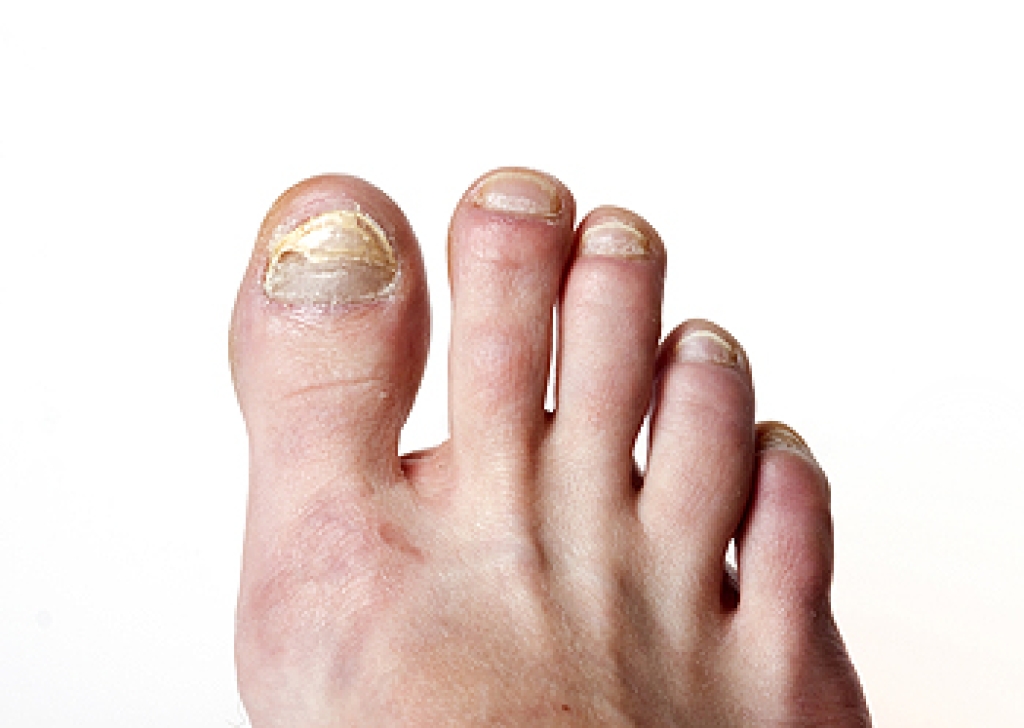
Discoloration and Toenail Fungus

Sometimes, a toenail’s natural translucent color can be manipulated into an entirely different shade. One potential common cause of such discoloration is toenail fungus. Toenail fungus can be caused by an organism named dermatophyte. If your toenail has been infected by a fungus, you might notice that the shade of the nail has changed to yellow, reddish brown, black, or green. This discoloration can start small, for example underneath the tip of the affected nail, before growing larger in size if unaddressed. There are also several things that can increase one’s risk of developing a toenail fungus. If you sweat frequently, walk barefoot in warm and moist environments, or are prone to enduring small cuts near the nail, you may be at an increased risk of developing toenail fungus and potentially discoloration. Of course, discoloration can be caused by things other than toenail fungus. Namely, injuries, nail polish, and particular health conditions can also contribute to discoloration. However, it is important for you to be aware of the causal connection between toenail fungus and discoloration of the toenail. If you have discoloration of the nail, contact a podiatrist.

For more information about treatment, contact Bill Brown, DPM of Brown Podiatry. Our doctor can provide the care you need to keep you pain-free and on your feet.

Toenail Fungus Treatment

Toenail fungus is a condition that affects many people and can be especially hard to get rid of. Fortunately, there are several methods to go about treating and avoiding it.

Antifungals & Deterrence

Oral antifungal medicine has been shown to be effective in many cases. It is important to consult with a podiatrist to determine the proper regiment for you, or potentially explore other options.

Applying foot powder on the feet and shoes helps keep the feet free of moisture and sweat.

Sandals or open toed shoes – Wearing these will allow air movement and help keep feet dry. They also expose your feet to light, which fungus cannot tolerate. Socks with moisture wicking material also help as well.

If you have any questions please contact our office located in Scranton, PA . We offer the newest diagnostic and treatment technologies for all your foot and ankle needs.

Read more about Toenail Fungus

Facts About Ankle Sprains

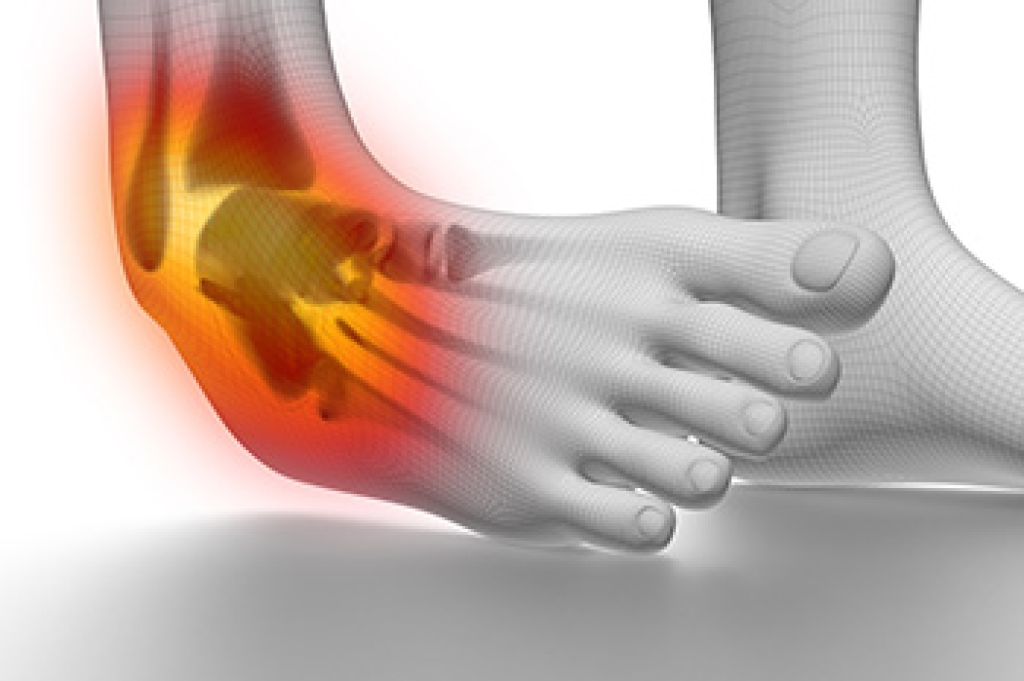
A sprain is an injury to a ligament. A ligament is a band of tissue that connect two or more bones to form a joint. The ankle is a complex joint structure that is held together by several ligaments. If any are torn or stretched beyond their natural limits, the injury is called a sprain. The severity of an ankle sprain depends on the amount of tearing and whether the ankle can bear weight. Grade 1 sprains are mild stretching of the ligament. Grade 2 is a partial tear with little or no joint instability. A Grade 3 sprain is a complete rupture of the ligament, along with full joint instability. Most sprains occur on the outside of the ankle joint. The foot can roll over by stepping into a hole or missing a curb thus causing the ligament to stretch too far. Sprains are also common in sports activities when running or changing directions quickly occur. Treating even a mild ankle sprain is essential because you run the risk of reinjuring the ankle and developing chronic problems when left untreated. If you have sustained an ankle injury, please see a podiatrist as soon as possible for evaluation and treatment.

Ankle sprains are common but need immediate attention. If you need your feet checked, contact Bill Brown, DPM from Brown Podiatry. Our doctor can provide the care you need to keep you pain-free and on your feet.

How Does an Ankle Sprain Occur?

Ankle sprains take place when the ligaments in your ankle are torn or stretched beyond their limits. There are multiple ways that the ankle can become injured, including twisting or rolling over onto your ankle, putting undue stress on it, or causing trauma to the ankle itself.

What Are the Symptoms?

  • Mild to moderate bruising
  • Limited mobility
  • Swelling
  • Discoloration of the skin (depending on severity)

Preventing a Sprain

  • Wearing appropriate shoes for the occasion
  • Stretching before exercises and sports
  • Knowing your limits

Treatment of a Sprain

Treatment of a sprain depends on the severity.  Many times, people are told to rest and remain off their feet completely, while others are given an air cast. If the sprain is very severe, surgery may be required.

If you have suffered an ankle sprain previously, you may want to consider additional support such as a brace and regular exercises to strengthen the ankle.

If you have any questions please feel free to contact our office located in Scranton, PA . We offer the newest diagnostic tools and technology to treat your foot and ankle needs.

Read more about Ankle Sprains

Various Reasons Why Toe Pain May Occur

Pain in the big toe can be the result of a foot injury, an existing physical condition, or it may indicate there are underlying medical issues. This type of toe pain can accompany arthritis, gout, and specific types of fractures. Pain from arthritis can consist of difficulty in moving the big toe, and there may be swelling near the joint in the big toe. Relief may come from changing the shoes that are worn, and in severe cases, surgery may be a necessary option. People who develop ingrown toenails often have pain in their big toe. It happens when the nail grows into the skin, instead of over it. This ailment can cause extreme pain and discomfort, and surgery is often necessary for permanent relief. The foot condition that is referred to as gout typically affects the big toe. It happens as a result of a buildup of uric acid in the blood, and can form crystals that lodge in the joints of the big toe. The pain can be debilitating, and in severe cases, many patients are unable to walk or stand. Toe pain can be difficult to live with, and if you have this type of pain, it is strongly suggested that you are under the care of a podiatrist who can help you to manage this condition.

Toe pain can disrupt your daily activities. If you have any concerns, contact Bill Brown, DPM of Brown Podiatry. Our doctor can provide the care you need to keep you pain-free and on your feet.

What Causes Toe Pain?

Most severe toe pain is caused due to a sports injury, trauma from dropping something heavy on the toe, or bumping into something rigid. Other problems can develop over time for various reasons.

Toe pain can be caused by one or more ailments. The most common include:

  • Trauma
  • Sports injury
  • Wearing shoes that are too tight
  • Arthritis
  • Gout
  • Corns and calluses
  • Hammertoe
  • Bunions
  • Blisters
  • Ingrown toenails
  • Sprains
  • Fractures (broken bones)
  • Dislocations

When to See a Podiatrist

  • Severe pain
  • Persistent pain that lasts more than a week
  • Signs of infection
  • Continued swelling
  • Pain that prevents walking

Diagnosis

In many cases the cause of toe pain is obvious, but in others, a podiatrist may want to use more advanced methods to determine the problem. These can range from simple visual inspections and sensation tests to X-rays and MRI scans. Prior medical history, family medical history, and any recent physical traumatic events will all be taken into consideration for a proper diagnosis.

Treatment

Treatments for toe pain and injuries vary and may include shoe inserts, padding, taping, medicines, injections, and in some cases, surgery. If you believe that you have broken a toe, please see a podiatrist as soon as possible.

If you have any questions please contact our office located in Scranton, PA . We offer the newest diagnostic and treatment technologies for all your foot and ankle needs.

Read more about Toe Pain

Healing Plantar Dermatosis in Kids

A condition called juvenile plantar dermatosis is a fancy term for dry skin on the feet. It usually affects children between the ages of 3 and 14 and is most prevalent around the age of 8. It rarely affects adults and diminishes in children when they reach puberty. Causes include friction from the sole rubbing inside the shoe, wearing synthetic shoes or shoes that do not “breathe,” and excessive sweating followed by rapid drying that leads to cracks in the skin. With plantar dermatosis, the soles of the feet typically become red, shiny, itchy, or sore and take on a glazed appearance. It usually affects both feet starting with the big toe and results in painful fissures, cracking, and scaling. For this reason, it may be confused with athlete’s foot or eczema. Treatment includes wearing shoes that fit well and are not made of leather or plastic, avoiding synthetic socks, and applying moisturizing cream daily. To find out more about plantar dermatosis in your child, please consult a podiatrist who can rule out other causes and prescribe the appropriate medication. 

Making sure that your children maintain good foot health is very important as they grow. If you have any questions, contact Bill Brown, DPM of Brown Podiatry. Our doctor can provide the care you need to keep you pain-free and on your feet.

Keeping Children's Feet Healthy

Having healthy feet during childhood can help prevent medical problems later in life, namely in the back and legs. As children grow, their feet require different types of care. Here are some things to consider...

Although babies do not walk yet, it is still very important to take care of their feet.

Avoid putting tight shoes or socks on his or her feet.

Allow the baby to stretch and kick his or her feet to feel comfortable.

As a toddler, kids are now on the move and begin to develop differently. At this age, toddlers are getting a feel for walking, so don’t be alarmed if your toddler is unsteady or ‘walks funny’. 

As your child gets older, it is important to teach them how to take care of their feet.

Show them proper hygiene to prevent infections such as fungus.

Be watchful for any pain or injury.

Have all injuries checked by a doctor as soon as possible.

Comfortable, protective shoes should always be worn, especially at play.

If you have any questions, please feel free to contact our office located in Scranton, PA . We offer the newest diagnostic and treatment technologies for all your foot care needs.

Read more about What to Do to Keep Your Child’s Feet Healthy

Do You Suffer From Painful Feet?

Painful deformities, such as hammertoes, can be treated. Stop living with foot pain, and have beautiful feet again!

Connect With Us