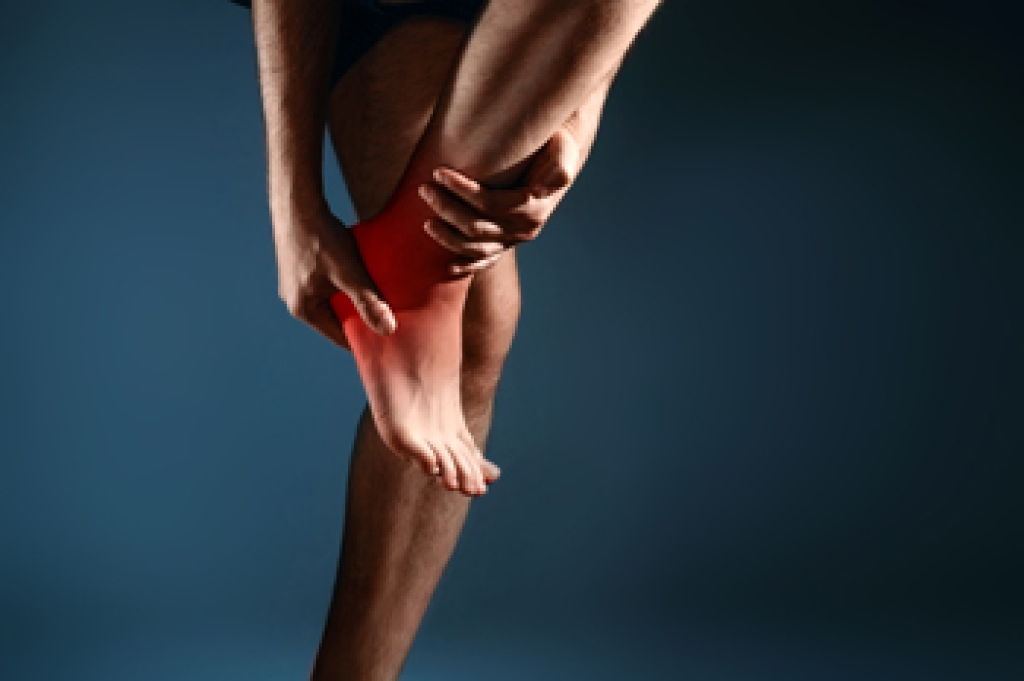
What Is Cellulitis?

Cellulitis is a bacterial infection of the deeper layers of the skin. It can affect any part of the body, but is most frequently seen in the feet. Cellulitis can be contracted by bacteria entering a wound, cut, scrape, or other small openings in the skin. Symptoms of this condition include red, swollen, warm, tender, and painful skin, changes in the texture of the skin (pitting) and blisters. A fever and chills can also accompany this infection. Cellulitis is treated with antibiotics and resting and elevating the affected foot to reduce swelling. Left untreated, cellulitis can cause grave complications. If you notice signs of infection in your feet, please seek the care of a podiatrist as soon as possible.

Foot Pain

Foot pain can be extremely painful and debilitating. If you have a foot pain, consult with Bill Brown, DPM from Brown Podiatry. Our doctor will assess your condition and provide you with quality foot and ankle treatment.

Causes

Foot pain is a very broad condition that could be caused by one or more ailments. The most common include:

  • Bunions
  • Hammertoes
  • Plantar Fasciitis
  • Bone Spurs
  • Corns
  • Tarsal Tunnel Syndrome
  • Ingrown Toenails
  • Arthritis (such as Gout, Rheumatoid, and Osteoarthritis)
  • Flat Feet
  • Injury (from stress fractures, broken toe, foot, ankle, Achilles tendon ruptures, and sprains)
  • And more

Diagnosis

To figure out the cause of foot pain, podiatrists utilize several different methods. This can range from simple visual inspections and sensation tests to X-rays and MRI scans. Prior medical history, family medical history, and any recent physical traumatic events will all be taken into consideration for a proper diagnosis.

Treatment

Treatment depends upon the cause of the foot pain. Whether it is resting, staying off the foot, or having surgery; podiatrists have a number of treatment options available for foot pain.

If you have any questions, please feel free to contact our office located in Scranton, PA . We offer the newest diagnostic and treatment technologies for all your foot care needs.
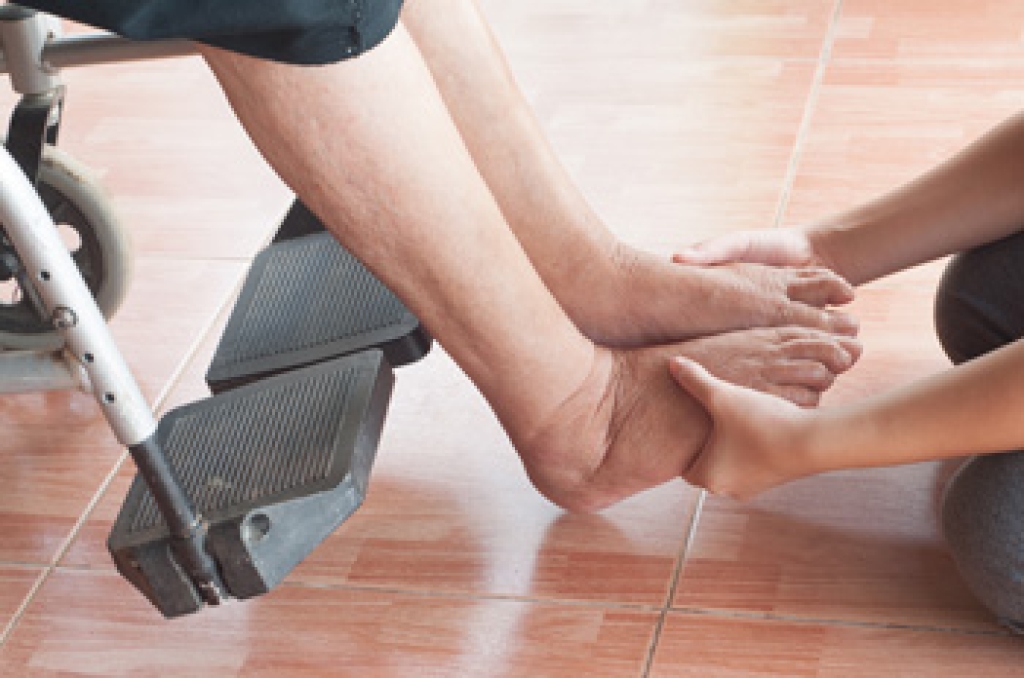

Read more about Foot Pain

Causes of Cold Feet in Older Adults

Many older adults experience chronic cold feet, which can be helped simply by wearing warmer socks and different shoes or slippers. But there may be underlying reasons that can cause or contribute to this condition. For instance, if you have diabetes, high blood pressure, or hardening of the arteries, the blood flow to your feet through narrowed arteries may be obstructed. Further, nerve damage, which also may be a result of diabetes, can cause your feet to be cold, numb, or prickly. And if you are a smoker, your blood vessels may constrict and reduce the circulation to your extremities. Finally, sitting for long periods can result in poor blood circulation to your feet, causing them to feel cold. If you notice a regular occurrence of cold feet, it is a good idea to make an appointment with a podiatrist who can review your health history, examine your feet and suggest treatment options.

Proper foot care is something many older adults forget to consider. If you have any concerns about your feet and ankles, contact Bill Brown, DPM from Brown Podiatry. Our doctor can provide the care you need to keep you pain-free and on your feet.

The Elderly and Their Feet

As we age we start to notice many changes in our body, but the elder population may not notice them right away. Medical conditions may prevent the elderly to take notice of their foot health right away. Poor vision is a lead contributor to not taking action for the elderly.

Common Conditions 

  • Neuropathy – can reduce feeling in the feet and can hide many life-threatening medical conditions.
  • Reduced flexibility – prevents the ability of proper toenail trimming, and foot cleaning. If left untreated, it may lead to further medical issues.
  • Foot sores – amongst the older population can be serious before they are discovered. Some of the problematic conditions they may face are:
  • Gouging toenails affecting nearby toe
  • Shoes that don’t fit properly
  • Pressure sores
  • Loss of circulation in legs & feet
  • Edema & swelling of feet and ankles

Susceptible Infections

Diabetes and poor circulation can cause general loss of sensitivity over the years, turning a simple cut into a serious issue.

If you have any questions, please feel free to contact our office located in Scranton, PA . We offer the newest diagnostic and treatment technologies for all your foot care needs.
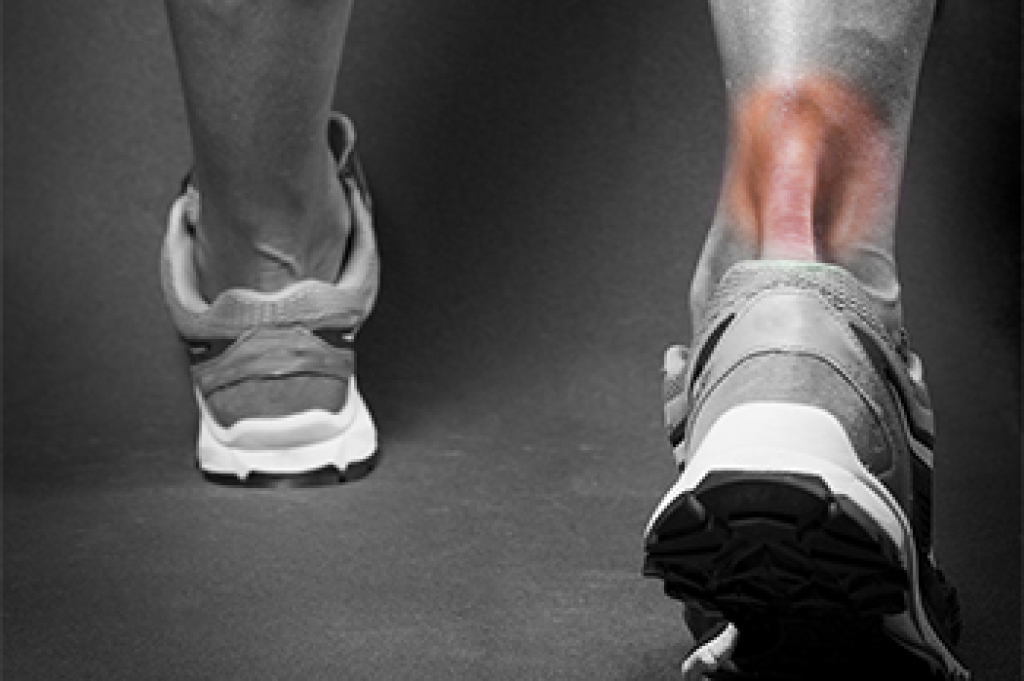
Read more about Elderly and their Feet

Get Professional Care for a Broken Foot or Ankle

Constant care and regular evaluation are important for a foot or ankle fracture. If left untreated, foot or ankle fractures can worsen over time and create more serious problems.

Don't wait to be examined if you believe you've experienced a foot or ankle fracture.

What Can Cause Achilles Tendinopathy?

The large tendon located at the back of the ankle, which connects the heel bone to the calf muscle, is known as the Achilles tendon. It is the largest tendon in the body, allows you to stand on tiptoe and bears a lot of stress. Activities such as running, jumping, or standing for a long period of time can cause the Achilles tendon to swell, stiffen and become painful. This condition is known as Achilles tendinopathy. Factors such as older age, being overweight, tightness in the calf muscles, poor limb alignment, and stiff joints in the foot can contribute to Achilles tendinopathy. Because of the severity of an Achilles injury, patients who are struggling with pain or tenderness in this tendon would be wise to visit a podiatrist for an evaluation.  

Achilles tendon injuries need immediate attention to avoid future complications. If you have any concerns, contact Bill Brown, DPM of Brown Podiatry. Our doctor can provide the care you need to keep you pain-free and on your feet.

What Is the Achilles Tendon?

The Achilles tendon is a tendon that connects the lower leg muscles and calf to the heel of the foot. It is the strongest tendon in the human body and is essential for making movement possible. Because this tendon is such an integral part of the body, any injuries to it can create immense difficulties and should immediately be presented to a doctor.

What Are the Symptoms of an Achilles Tendon Injury?

There are various types of injuries that can affect the Achilles tendon. The two most common injuries are Achilles tendinitis and ruptures of the tendon.

Achilles Tendinitis Symptoms

  • Inflammation
  • Dull to severe pain
  • Increased blood flow to the tendon
  • Thickening of the tendon

Rupture Symptoms

  • Extreme pain and swelling in the foot
  • Total immobility

Treatment and Prevention

Achilles tendon injuries are diagnosed by a thorough physical evaluation, which can include an MRI. Treatment involves rest, physical therapy, and in some cases, surgery. However, various preventative measures can be taken to avoid these injuries, such as:

  • Thorough stretching of the tendon before and after exercise
  • Strengthening exercises like calf raises, squats, leg curls, leg extensions, leg raises, lunges, and leg presses

If you have any questions please feel free to contact our office located in Scranton, PA . We offer the newest diagnostic tools and technology to treat your foot and ankle needs.

Read more about What are Achilles Tendon Injuries

Potential Causes of Heel Pain

During physical activity such as walking or running, the heel is designed to absorb the impact of your body weight. Because of this, heel pain can have a drastic or even debilitating effect on your everyday life. The leading cause of heel pain is plantar fasciitis. This occurs when the plantar fascia, a thick band of tissue that runs along the bottom of the foot connecting the heel to the toes, becomes partially torn or inflamed. Another common source of heel pain called heel spurs, takes place when calcium builds up under the heel and protrudes out. Heel bursitis may cause heel pain, and this develops when there is inflammation in the fluid-filled fibrous sac under the heel bone. Pain can also arise when the fat pad at the bottom of the heel, which protects the heel bone, wears down over time. There are many other possible sources of heel pain. If you are experiencing any pain or discomfort in your heels, it is suggested that you consult with a podiatrist for a proper diagnosis and treatment plan.

Many people suffer from bouts of heel pain. For more information, contact Bill Brown, DPM of Brown Podiatry. Our doctor can provide the care you need to keep you pain-free and on your feet.

Causes of Heel Pain

Heel pain is often associated with plantar fasciitis. The plantar fascia is a band of tissues that extends along the bottom of the foot. A rip or tear in this ligament can cause inflammation of the tissue.

Achilles tendonitis is another cause of heel pain. Inflammation of the Achilles tendon will cause pain from fractures and muscle tearing. Lack of flexibility is also another symptom.

Heel spurs are another cause of pain. When the tissues of the plantar fascia undergo a great deal of stress, it can lead to ligament separation from the heel bone, causing heel spurs.

Why Might Heel Pain Occur?

  • Wearing ill-fitting shoes                
  • Wearing non-supportive shoes
  • Weight change           
  • Excessive running

Treatments

Heel pain should be treated as soon as possible for immediate results. Keeping your feet in a stress-free environment will help. If you suffer from Achilles tendonitis or plantar fasciitis, applying ice will reduce the swelling. Stretching before an exercise like running will help the muscles. Using all these tips will help make heel pain a condition of the past.

If you have any questions, please feel free to contact our office located in Scranton, PA . We offer the newest diagnostic and treatment technologies for all your foot care needs.
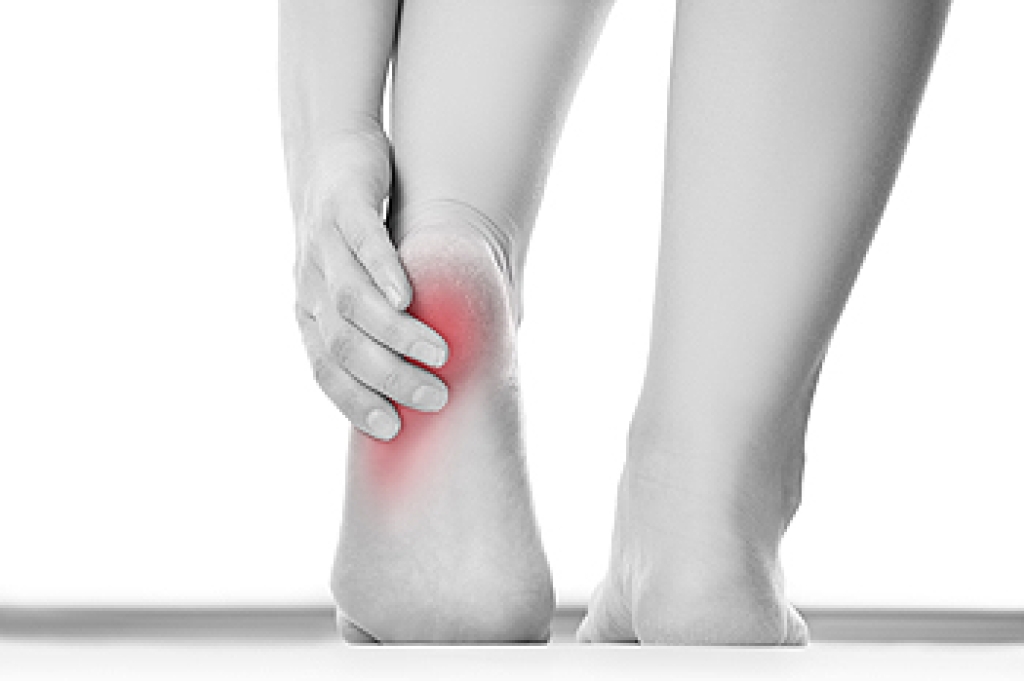
Read more about Heel Pain

Connect With Us