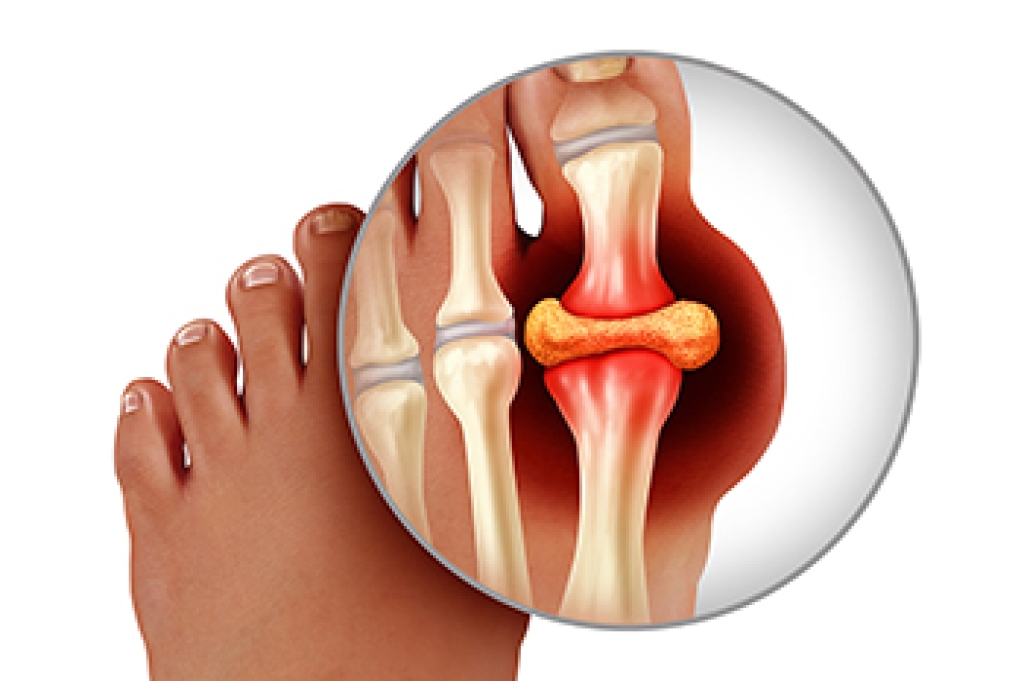
Gout Is Arthritis

A common form of inflammatory arthritis is known as gout. It can be extremely uncomfortable and can cause severe pain. It frequently affects the joints in the big toe, and may make walking difficult. Gout develops as a result of a buildup of uric acid, which may come from specific foods, including red meat and shellfish, as well as drinking alcoholic beverages. In addition to pain in the big toe, common symptoms can consist of swelling, redness, and lumps that are painless under the skin. Prevention methods include losing excess weight, avoiding foods that can trigger gout attacks, and eating foods high in vitamin C. Additionally, implementing a gentle exercise routine may help to manage gout. If you have this type of pain in your big toe, please speak with a podiatrist who can discuss prevention techniques and offer treatment solutions. 

Gout is a foot condition that requires certain treatment and care. If you are seeking treatment, contact Bill Brown, DPM from Brown Podiatry. Our doctor will treat your foot and ankle needs.

What Is Gout?

Gout is a type of arthritis caused by a buildup of uric acid in the bloodstream. It often develops in the foot, especially the big toe area, although it can manifest in other parts of the body as well. Gout can make walking and standing very painful and is especially common in diabetics and the obese.

People typically get gout because of a poor diet. Genetic predisposition is also a factor. The children of parents who have had gout frequently have a chance of developing it themselves.

Gout can easily be identified by redness and inflammation of the big toe and the surrounding areas of the foot. Other symptoms include extreme fatigue, joint pain, and running high fevers. Sometimes corticosteroid drugs can be prescribed to treat gout, but the best way to combat this disease is to get more exercise and eat a better diet.

If you have any questions, please feel free to contact our office located in Scranton, PA . We offer the newest diagnostic and treatment technologies for all your foot care needs.

Read more about Everything You Need to Know About Gout

A Profession That Requires Standing All Day

There are many professions where it is mandatory to stand for the majority of the day. Teachers often fall into this category, and many of them experience pain from working on their feet. It is important to choose shoes that fit correctly. These generally consist of shoes that can provide adequate arch support, and wearing these types of shoes may prevent developing plantar fasciitis and heel spurs. Some teachers find it beneficial to stretch their muscles throughout the day, and standing tall can help to improve alignment. The calf muscles can be stretched by standing on a step, and lowering the heel until a gentle pull is felt. If you would like more information about how to keep your feet healthy while standing all day, please speak to a podiatrist.

While working on the feet, it is important to take the proper care of them. For more information about working on your feet, contact Bill Brown, DPM from Brown Podiatry. Our doctor will treat your foot and ankle needs.

Working on Your Feet

Standing on your feet for long periods of time can cause stress and pain in your feet. Your whole body may experience change in terms of posture, back pain, bunions, callouses and or plantar warts. There are ways to avoid these conditions with proper foot care, smart choices and correct posture.

Positive Changes

Negative heeled shoe – Choosing this shoe type places the heel slightly lower than the ball of the foot. These are great for overall foot health. Find shoes that fit you correctly.

Go barefoot – Our feet were not designed to be enclosed for all hours of the day. Try to periodically expose your feet to air.

Eliminate Pain

Foot Exercises – Performing simple exercises, incorporating yoga and doing stretches are beneficial. This will allow increased blood flow to the area and muscles of the foot.

Achilles tendon – Stretching the foot out flat on the floor will relax the calf muscles and tendon. These exercises can be performed almost anywhere. Make sure you add these exercises to your daily regimen. 

With a little bit of this information and knowing more about foot health, you will notice changes. Foot stretches and proper footwear will help with pain and prevent further issues.

If you have any questions please contact our office located in Scranton, PA . We offer the newest diagnostic and treatment technologies for all your foot and ankle needs.

Read more about Working on Your Feet

What Might Be Causing Your Heel Pain

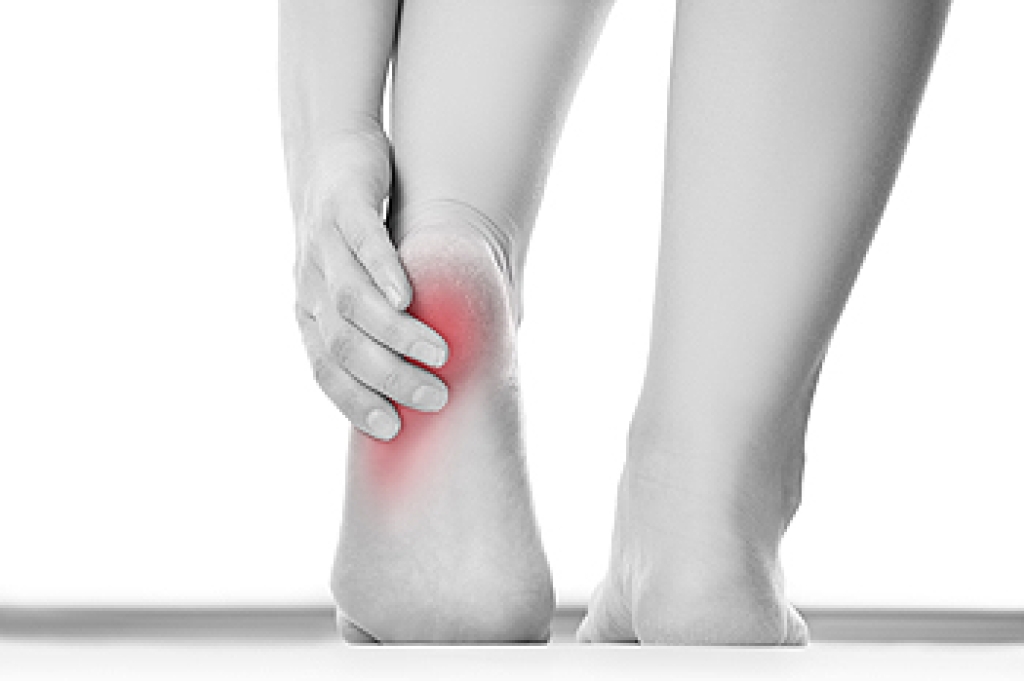
Heel pain—and pain at the back of the feet—in older adults can typically be caused by plantar fasciitis, Achilles tendon injuries, or various types of bursitis. Plantar fasciitis causes pain and stiffness at the bottom of heel, when the plantar fascia tissue that attaches there becomes damaged/torn and inflamed. It can typically be treated by night splinting to keep the plantar fascia in a neutral position, custom orthotics, corticosteroid injections, physical therapy, shockwave therapy, and more. Bursitis is an inflammation of one of the bursas in the feet. Bursas are sacs filled with fluid that provide cushioning between bones and tendons and help reduce friction between bones. Bursitis in the feet can occur either where the plantar fascia or the Achilles tendon attaches to the heel bone, or in response to pressure from shoes at the back of the foot. These conditions can often be treated with footwear modifications, heel pads, gel wraps, orthotics and padding, corticosteroid injections, physical therapy, night splints, non-steroidal anti-inflammatory drugs, cold or warm compresses and more. If you have any type of pain in your heel, call a podiatrist. They are experts at diagnosing and treating all forms of heel pain.

Many people suffer from bouts of heel pain. For more information, contact Bill Brown, DPM of Brown Podiatry. Our doctor can provide the care you need to keep you pain-free and on your feet.

Causes of Heel Pain

Heel pain is often associated with plantar fasciitis. The plantar fascia is a band of tissues that extends along the bottom of the foot. A rip or tear in this ligament can cause inflammation of the tissue.

Achilles tendonitis is another cause of heel pain. Inflammation of the Achilles tendon will cause pain from fractures and muscle tearing. Lack of flexibility is also another symptom.

Heel spurs are another cause of pain. When the tissues of the plantar fascia undergo a great deal of stress, it can lead to ligament separation from the heel bone, causing heel spurs.

Why Might Heel Pain Occur?

  • Wearing ill-fitting shoes                
  • Wearing non-supportive shoes
  • Weight change           
  • Excessive running

Treatments

Heel pain should be treated as soon as possible for immediate results. Keeping your feet in a stress-free environment will help. If you suffer from Achilles tendonitis or plantar fasciitis, applying ice will reduce the swelling. Stretching before an exercise like running will help the muscles. Using all these tips will help make heel pain a condition of the past.

If you have any questions, please feel free to contact our office located in Scranton, PA . We offer the newest diagnostic and treatment technologies for all your foot care needs.

Read more about Heel Pain

Keep Your Feet Healthy So You Can Stay Active

Have your feet inspected by a professional before starting a new sport or physical activity. Taking charge of your foot health will keep you in good physical condition and can help you avoid a potential injury, such as a fracture or sprained ankle.

Prevent injuries and see a foot specialist.

Mild or Severely Broken Toes Are Uncomfortable

A broken toe is often uncomfortable. It can happen as a result of stubbing your toe against a piece of furniture, or from a heavy object dropping on it. The toes consist of two or three bones that are small and can be fragile. Some of the symptoms that many patients experience with a broken toe  include pain, swelling, and bruising. It can be difficult to walk, and crutches may need to be used. If the fracture is mild, buddy taping may also be effective. This is accomplished by taping the broken toe to the toe next to it. This is helpful in providing the necessary stability as the healing process occurs. Some broken toes can be severe. If you are struggling with a broken toe, it is strongly suggested that you are under the care of a podiatrist who can properly treat this condition.

A broken toe can be very painful and lead to complications if not properly fixed. If you have any concerns about your feet, contact Bill Brown, DPM from Brown Podiatry. Our doctor will treat your foot and ankle needs.

What to Know About a Broken Toe

Although most people try to avoid foot trauma such as banging, stubbing, or dropping heavy objects on their feet, the unfortunate fact is that it is a common occurrence. Given the fact that toes are positioned in front of the feet, they typically sustain the brunt of such trauma. When trauma occurs to a toe, the result can be a painful break (fracture).

Symptoms of a Broken Toe

  • Throbbing pain
  • Swelling
  • Bruising on the skin and toenail
  • The inability to move the toe
  • Toe appears crooked or disfigured
  • Tingling or numbness in the toe

Generally, it is best to stay off of the injured toe with the affected foot elevated.

Severe toe fractures may be treated with a splint, cast, and in some cases, minor surgery. Due to its position and the pressure it endures with daily activity, future complications can occur if the big toe is not properly treated.

If you have any questions, please feel free to contact our office located in Scranton, PA . We offer the newest diagnostic and treatment technologies for all your foot care needs.
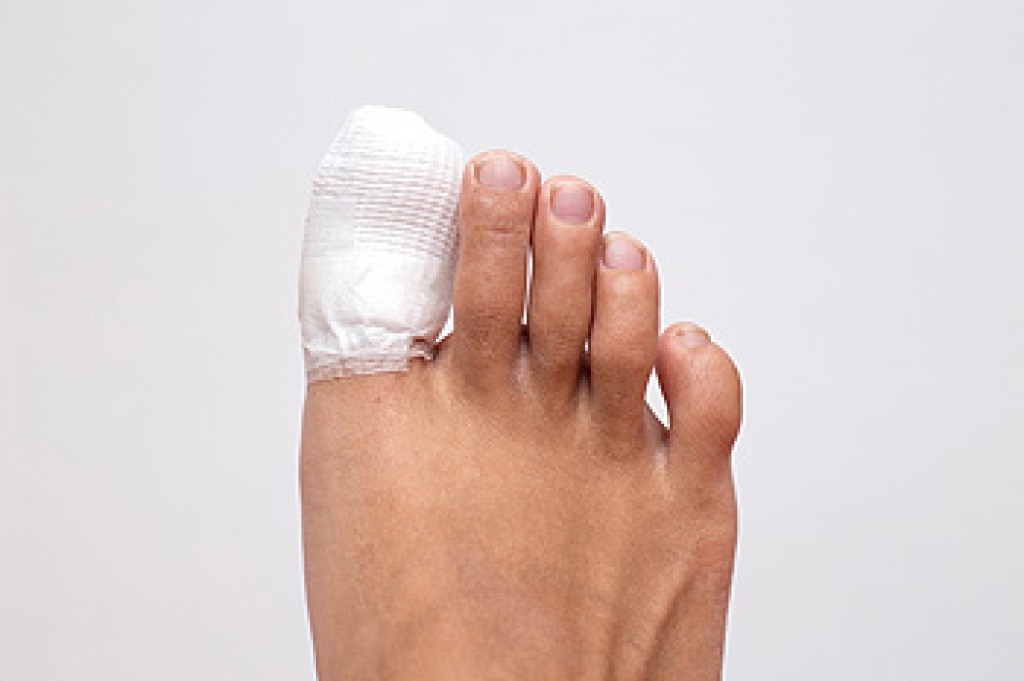
Read more about What to Know About a Broken Toe

Connect With Us