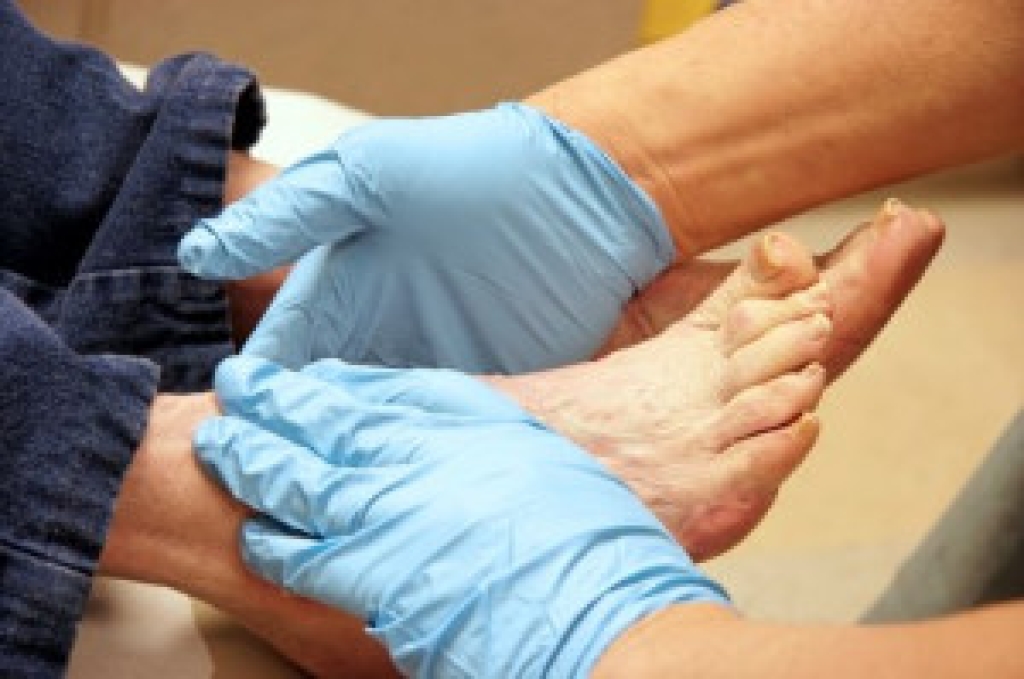
How to Take Care of Your Feet When You Have Diabetes

Diabetes can affect foot health and cause peripheral neuropathy, a condition where the central nervous system is damaged and signals from the brain to one’s feet do not work properly. This can cause inflammation and lead to numbness, tingling, and increased sensitivity in the feet, as well as more severe problems like foot ulcers and infections. Changes in lifestyle and diet can help keep blood sugar and weight in a target range that will help prevent nerve damage and neuropathy. Following diabetic food guidelines and eating at regular intervals are key to controlling diabetes and side effects like peripheral neuropathy from developing. It is also important to check your feet frequently to look for cuts, swelling, or other abnormalities. Having your feet checked regularly by a podiatrist when you have diabetes can help you stay on top of your foot health and prevent more serious complications from developing.


Diabetic foot care is important in preventing foot ailments such as ulcers. If you are suffering from diabetes or have any other concerns about your feet, contact Bill Brown, DPM from Brown Podiatry. Our doctor can provide the care you need to keep you pain-free and on your feet.

Diabetic Foot Care

Diabetes affects millions of people every year. The condition can damage blood vessels in many parts of the body, especially the feet. Because of this, taking care of your feet is essential if you have diabetes, and having a podiatrist help monitor your foot health is highly recommended.

The Importance of Caring for Your Feet

  • Routinely inspect your feet for bruises or sores.
  • Wear socks that fit your feet comfortably.
  • Wear comfortable shoes that provide adequate support.

Patients with diabetes should have their doctor monitor their blood levels, as blood sugar levels play such a huge role in diabetic care. Monitoring these levels on a regular basis is highly advised.

It is always best to inform your healthcare professional of any concerns you may have regarding your feet, especially for diabetic patients. Early treatment and routine foot examinations are keys to maintaining proper health, especially because severe complications can arise if proper treatment is not applied.

If you have any questions, please feel free to contact our office located in Scranton, PA . We offer the newest diagnostic and treatment technologies for all your foot care needs.
Read more about How to Care for Diabetic Foot

Making Sure Your Shoes Fit Right

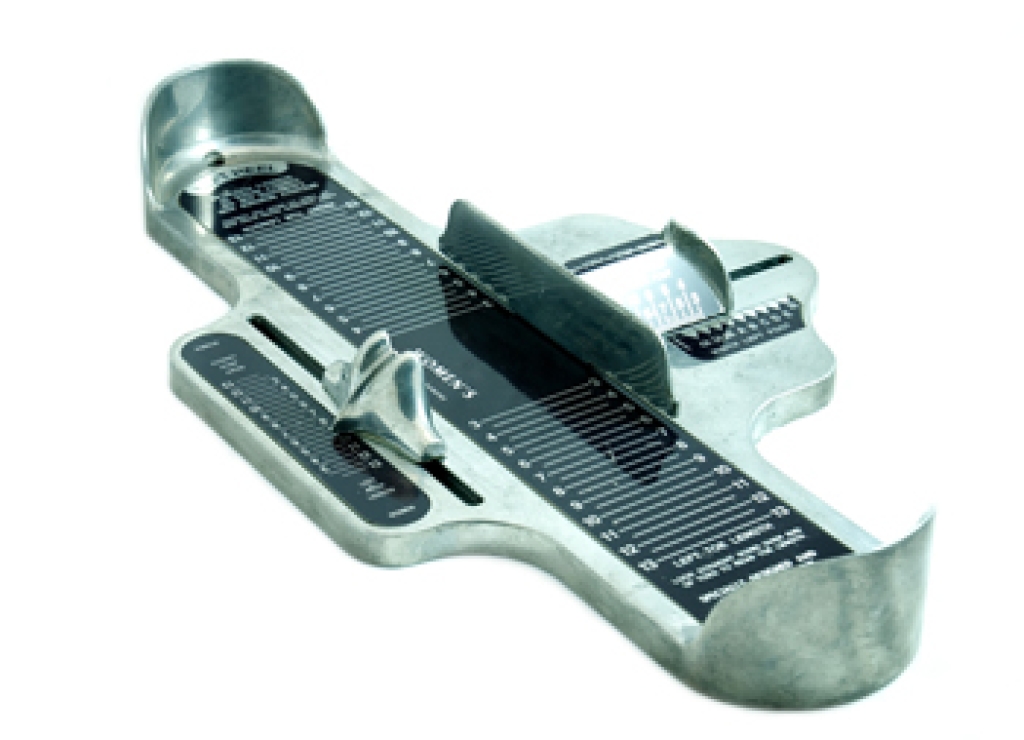
Selecting shoes that fit properly is critical for comfort and prevention of foot problems. Making sure shoes fit right is especially essential to children, people who are on their feet a lot, or have arthritis, diabetes, or other foot disorders. Correct shoe fit is achieved when the shoe shape matches the foot shape and shoe size accommodates the widest part of the foot – the first metatarsal joint – so toes can spread out comfortably. Steps that will best ensure shoes fit right are: trying them on later in the day when feet are more swollen, wear the socks you plan to wear with the shoes (or thin socks if socks will not be worn with them), fitting a finger in the back of the shoe comfortably, making sure there is adequate room between the shoe and the big toe (as feet move forward when walking), and walking in the shoe to check for friction, pinching or any other discomfort. Seeking advice from a podiatrist before and after purchasing shoes can help in proper shoe selection and evaluation so that complications can be avoided.

Getting the right shoe size is an important part of proper foot health. Seek the assistance of Bill Brown, DPM from Brown Podiatry. Our doctor will provide the care you need to keep you pain-free and on your feet.

Getting the Right Shoe Size

There are many people who wear shoes that are the incorrect size, negatively affecting their feet and posture. Selecting the right shoes is not a difficult process, so long as you keep several things in mind when it comes to choosing the right pair.

  • When visiting the shoe store, use the tools available to measure your foot.
  • Be sure there is ‘wiggle room’. There should be about an inch between your toes and the tip of your shoes.
  • Do not always assume you are the same size, as manufacturers run differently.
  • Purchase shoes later in the day, as your feet swell as the day progresses.
  • If a shoe is not comfortable, it is not suitable. Most shoes can’t be ‘broken in’, and comfort should be the ultimate goal when it comes to choosing the right pair of shoes

As our feet hold our body weight and keep us moving, it is important to treat them right. Picking the right pair of shoes can provide your feet comfort and mobility without pain.

If you have any questions, please feel free to contact our office located in Scranton, PA . We offer the newest diagnostic and treatment technologies for all your foot care needs.

Read more about Getting the Right Shoe Size: To Keep Your Feet Happy

Dealing with Corns

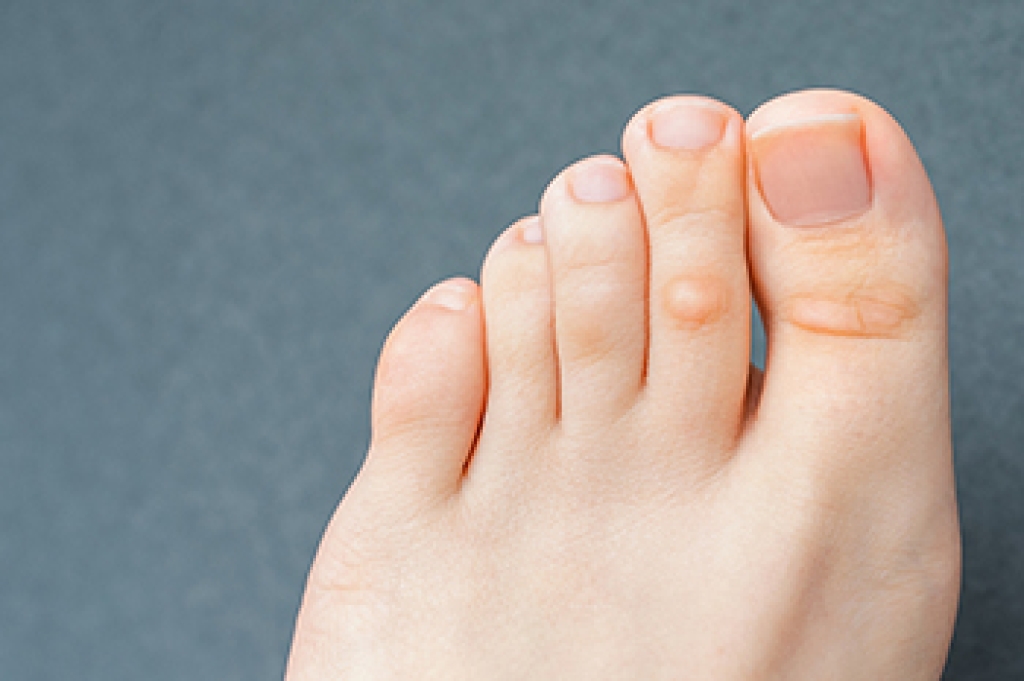
Corns can sometimes be confused with calluses if you don’t know what to look (and feel) for. Corns can be painful and are either hard or soft. Hard corns, the most common type of corn, are caused by repeated pressure or friction. Soft corns are typically lighter in color and rubbery in texture. They usually form between toes. The best way to prevent corns from developing is to wear shoes that fit well and don’t cause pressure or friction on any part of your feet. Keep your toenails trimmed—but not so short that they grow into surrounding skin. Moisturize your feet daily and avoid wearing shoes without socks. People with diabetes, skin disorders or circulation problems would be wise not attempt to remove corns themselves, as such home remedies can sometimes lead to bleeding and infection. For safe and effective treatment for painful corns, it's a good idea to make an appointment with a podiatrist. They can also offer more tips and techniques for avoiding corns from developing in the first place.

If you have any concerns regarding your feet and ankles, contact Bill Brown, DPM of Brown Podiatry. Our doctor will treat your foot and ankle needs.

Corns: What Are They? and How Do You Get Rid of Them?
Corns can be described as areas of the skin that have thickened to the point of becoming painful or irritating. They are often layers and layers of the skin that have become dry and rough, and are normally smaller than calluses.

Ways to Prevent Corns
There are many ways to get rid of painful corns such as wearing:

  • Well-fitting socks
  • Comfortable shoes that are not tight around your foot
  • Shoes that offer support

Treating Corns
Treatment of corns involves removing the dead skin that has built up in the specific area of the foot. Consult with Our doctor to determine the best treatment option for your case of corns.

If you have any questions, please feel free to contact our office located in Scranton, PA . We offer the newest diagnostic and treatment technologies for all your foot care needs.
Read more about Corns: What Are They, and How Do You Get Rid of Them

We Can Treat Your Foot or Ankle Pain

Foot or ankle pain can negatively affect your day-to-day life and can occur due to several different conditions. Pain can also be an indicator of a more serious underlying condition, which is why you should seek professional help as soon as you notice any abnormalities in your feet.

Why Your Heel May Be In Pain

Your feet take a pounding every day, and thankfully, the strong band of connective tissue on the sole of the feet (plantar fascia) is there to absorb a lot of this stress. However, the plantar fascia can eventually become overly stressed or damaged, and even suffer micro-tears where it attaches to the heel. This condition, known as plantar fasciitis, causes inflammation in the tissue and a great deal of heel pain. This pain may come on gradually and is usually at its worst first thing in the morning or after periods of rest. Once you start moving around the pain typically subsides, but eventually returns as the day progresses. What causes the plantar fascia to become damaged? There are many possible factors that can lead to plantar fasciitis such as: obesity, age, ill-fitting or non-supportive footwear, standing for long periods of time, excessive strain during exercise, tight Achilles’ tendons or calf muscles, running on hard surfaces, and certain foot disorders like flat feet or high arches. There are a variety of treatments that a podiatrist can administer to relieve the pain and reduced mobility associated with plantar fasciitis. If you have heel pain, it is suggested that you make an appointment with a podiatrist.

Plantar fasciitis is a common foot condition that is often caused by a strain injury. If you are experiencing heel pain or symptoms of plantar fasciitis, contact Bill Brown, DPM from Brown Podiatry. Our doctor can provide the care you need to keep you pain-free and on your feet.

What Is Plantar Fasciitis?

Plantar fasciitis is one of the most common causes of heel pain. The plantar fascia is a ligament that connects your heel to the front of your foot. When this ligament becomes inflamed, plantar fasciitis is the result. If you have plantar fasciitis you will have a stabbing pain that usually occurs with your first steps in the morning. As the day progresses and you walk around more, this pain will start to disappear, but it will return after long periods of standing or sitting.

What Causes Plantar Fasciitis?

  • Excessive running
  • Having high arches in your feet
  • Other foot issues such as flat feet
  • Pregnancy (due to the sudden weight gain)
  • Being on your feet very often

There are some risk factors that may make you more likely to develop plantar fasciitis compared to others. The condition most commonly affects adults between the ages of 40 and 60. It also tends to affect people who are obese because the extra pounds result in extra stress being placed on the plantar fascia.

Prevention

  • Take good care of your feet – Wear shoes that have good arch support and heel cushioning.
  • Maintain a healthy weight
  • If you are a runner, alternate running with other sports that won’t cause heel pain

There are a variety of treatment options available for plantar fasciitis along with the pain that accompanies it. Additionally, physical therapy is a very important component in the treatment process. It is important that you meet with your podiatrist to determine which treatment option is best for you.

If you have any questions, please feel free to contact our office located in Scranton, PA . We offer the newest diagnostic and treatment technologies for all your foot care needs.


Read more about Plantar Fasciitis

Connect With Us