Effective Foot Care Techniques for Diabetic Patients

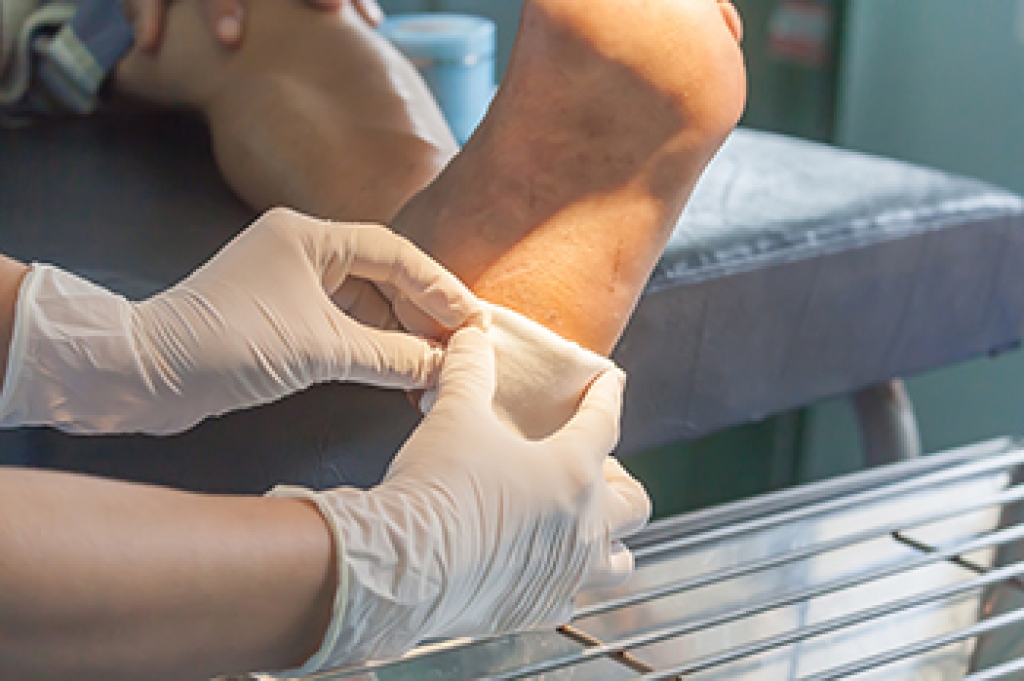
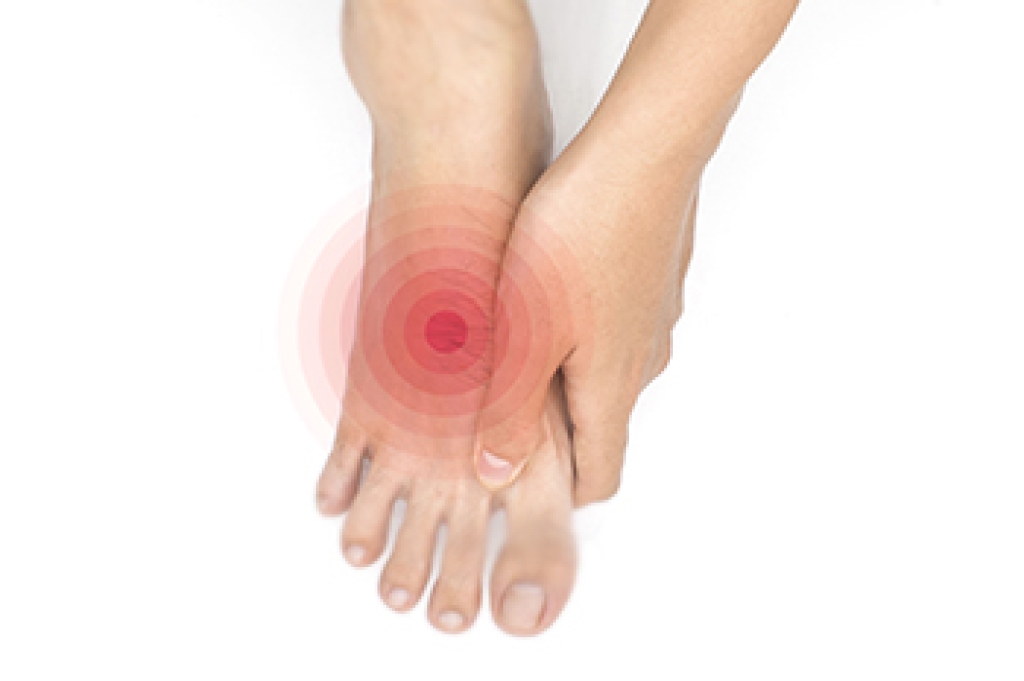
One of the most important things diabetic patients can do is to take proper care of their feet. Diabetes is a condition that is a result of elevated blood sugar levels, and this can damage the nerves in the feet. This may cause the inability to feel existing sores, bruises, and scrapes that have developed. These can become infected if prompt treatment is not received. Diabetic foot care can begin with washing the feet using warm water, and drying them thoroughly, especially between the toes. This is followed by checking the soles of the feet for any cuts, which can be done by using a mirror. If family members or caregivers are available, they may be able to help with this task. It is beneficial that the toenails be trimmed on a regular basis, and many people will have their podiatrist do this. Engaging in a gentle stretching and exercise routine can stimulate blood flow to the feet, and it is helpful to incorporate healthy eating habits into the daily regime. If you have diabetes, it is strongly suggested that you are under the care of a podiatrist who can help you to manage this condition.

Diabetic foot care is important in preventing foot ailments such as ulcers. If you are suffering from diabetes or have any other concerns about your feet, contact Bill Brown, DPM from Brown Podiatry. Our doctor can provide the care you need to keep you pain-free and on your feet.

Diabetic Foot Care

Diabetes affects millions of people every year. The condition can damage blood vessels in many parts of the body, especially the feet. Because of this, taking care of your feet is essential if you have diabetes, and having a podiatrist help monitor your foot health is highly recommended.

The Importance of Caring for Your Feet

  • Routinely inspect your feet for bruises or sores.
  • Wear socks that fit your feet comfortably.
  • Wear comfortable shoes that provide adequate support.

Patients with diabetes should have their doctor monitor their blood levels, as blood sugar levels play such a huge role in diabetic care. Monitoring these levels on a regular basis is highly advised.

It is always best to inform your healthcare professional of any concerns you may have regarding your feet, especially for diabetic patients. Early treatment and routine foot examinations are keys to maintaining proper health, especially because severe complications can arise if proper treatment is not applied.

If you have any questions, please feel free to contact our office located in Scranton, PA . We offer the newest diagnostic and treatment technologies for all your foot care needs.
Read more about Diabetic Foot Care

Moccasin-Type Athlete’s Foot

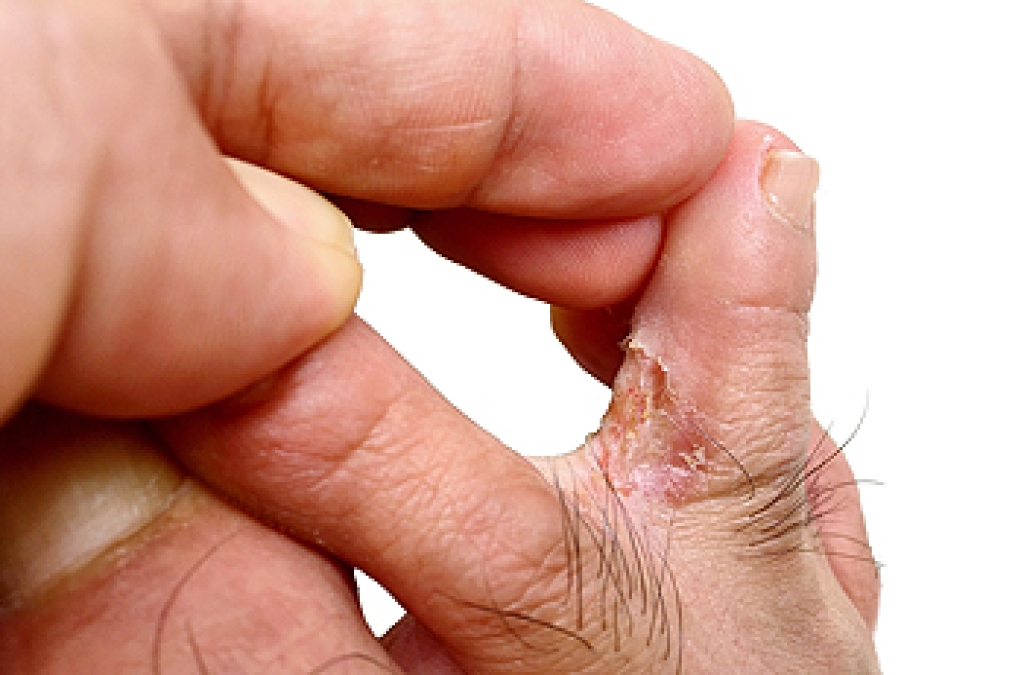
Athlete’s foot is a particular kind of fungal infection that impacts the feet. Individuals who have athlete’s foot may experience different symptoms. For example, patients may present a scaly rash that could be red. There are several different types of athlete’s foot that an individual could have. Moccasin-type athlete’s foot is one such type. Several things characterize this kind of athlete’s foot. Namely, moccasin-type athlete’s foot affects the soles of the feet, the heel, and the edges of the foot. As a result of having a moccasin-type athlete’s foot, an individual could experience soreness in the feet. The skin on the feet may even thicken in texture or crack. If you are struggling with athlete’s foot, it is suggested that you consult with a podiatrist today.


Athlete’s foot is an inconvenient condition that can be easily reduced with the proper treatment. If you have any concerns about your feet and ankles, contact Bill Brown, DPM from Brown Podiatry.  Our doctor will treat your foot and ankle needs.

Athlete’s Foot: The Sole Story

Athlete's foot, also known as tinea pedis, can be an extremely contagious foot infection. It is commonly contracted in public changing areas and bathrooms, dormitory style living quarters, around locker rooms and public swimming pools, or anywhere your feet often come into contact with other people.

Solutions to Combat Athlete’s Foot

  • Hydrate your feet by using lotion
  • Exfoliate
  • Buff off nails
  • Use of anti-fungal products
  • Examine your feet and visit your doctor if any suspicious blisters or cuts develop

Athlete’s foot can cause many irritating symptoms such as dry and flaking skin, itching, and redness. Some more severe symptoms can include bleeding and cracked skin, intense itching and burning, and even pain when walking. In the worst cases, Athlete’s foot can cause blistering as well. Speak to your podiatrist for a better understanding of the different causes of Athlete’s foot, as well as help in determining which treatment options are best for you.

If you have any questions please feel free to contact our office located in Scranton, PA . We offer the newest diagnostic and treatment technologies for all your foot and ankle needs.

Read more about How to Deal with Athlete's Foot

Causes and Symptoms of an Ingrown Toenail

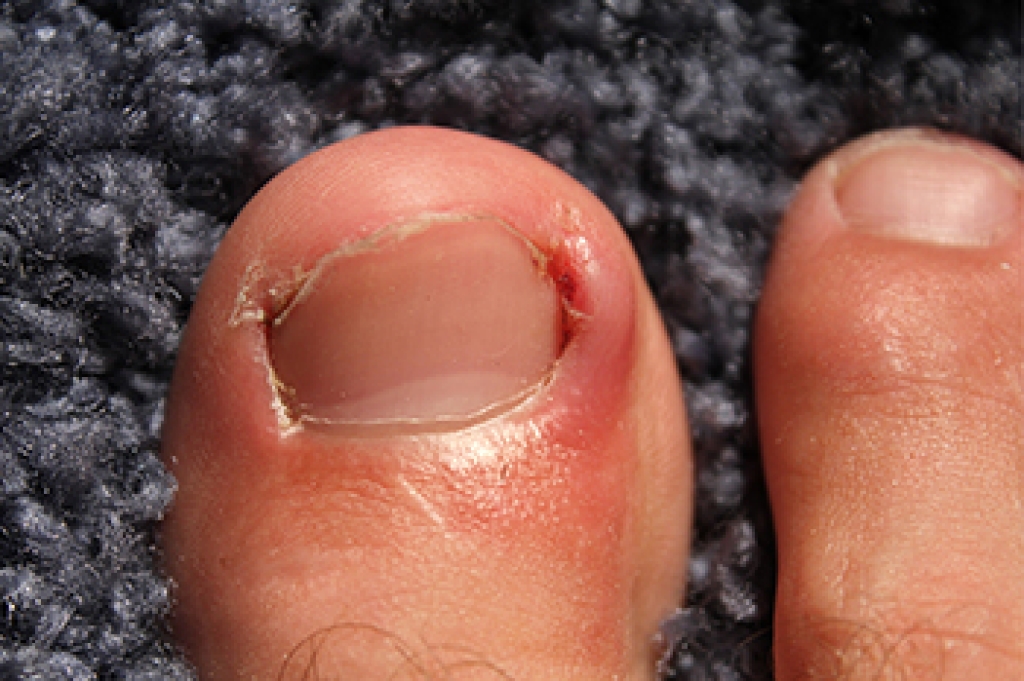
There is no mistaking the pain from an ingrown toenail. The big toe is typically affected, and it can be difficult to wear shoes. An ingrown toenail can develop when it grows into the skin instead of over it, and the pain can cause prompt medical attention to be sought. Symptoms that are associated with an ingrown toenail can include severe tenderness, swelling, and the toe may become red. The most common reason to develop this ailment is from wearing shoes that are too tight, followed by trimming the nails incorrectly. Additionally, it may happen from a toe injury, or if the nails are naturally curved. Soaking the affected foot in warm water may temporarily bring mild relief. This often makes it easier to push the nail away from the skin using a piece of cotton. Ingrown toenails can become infected. It is suggested that you consult with a podiatrist who can effectively treat this condition before it becomes more serious. 

Ingrown toenails can become painful if they are not treated properly. For more information about ingrown toenails, contact Bill Brown, DPM of Brown Podiatry. Our doctor can provide the care you need to keep you pain-free and on your feet.

Ingrown Toenails

Ingrown toenails occur when a toenail grows sideways into the bed of the nail, causing pain, swelling, and possibly infection.

Causes

  • Bacterial infections
  • Improper nail cutting such as cutting it too short or not straight across
  • Trauma to the toe, such as stubbing, which causes the nail to grow back irregularly
  • Ill-fitting shoes that bunch the toes too close together
  • Genetic predisposition

Prevention

Wearing proper fitting shoes and using proper cutting techniques will also help decrease your risk of developing ingrown toenails.

Treatment

Ingrown toenails are a very treatable foot condition. In minor cases, soaking the affected area in salt or antibacterial soaps will not only help with the ingrown nail itself, but also help prevent any infections from occurring. In more severe cases, surgery is an option. In either case, speaking to your podiatrist about this condition will help you get a better understanding of specific treatment options that are right for you.

If you have any questions, please feel free to contact our office located in Scranton, PA . We offer the newest diagnostic and treatment technologies for all your foot care needs.

Read more about Ingrown Toenails

Do Your Child's Feet Hurt?

Have your child's feet been examined lately? Healthy feet are happy feet. If your child is complaining of foot pain, it may be a sign of underlying problems.

Proper Wound Care Begins With Clean Hands

A wound can happen from a surgical cut that is made through the skin, or it can happen for other reasons. Proper wound care starts with washing and drying the hands, followed by gently cleaning the wound. This can be done by using a saline solution or soapy water. It is crucial to remove any dried blood that has accumulated, which can aid in the healing process. When applying the dressing, it is important to cover the entire wound, in addition to changing it daily. If the wound is on the foot, it generally needs prompt medical attention. Diabetic patients can easily have wounds on their feet as a result of neuropathy, which is the inability to feel cuts or scrapes. Wounds can form from existing cuts in people who are diabetic, which can possibly prompt critical health hazards to develop. If you have a wound on your foot, it is strongly suggested that you are under the care of a podiatrist who can accelerate the healing process with proper treatment.

Wound care is an important part in dealing with diabetes. If you have diabetes and a foot wound or would like more information about wound care for diabetics, consult with Bill Brown, DPM from Brown Podiatry. Our doctor will assess your condition and provide you with quality foot and ankle treatment.

What Is Wound Care?

Wound care is the practice of taking proper care of a wound. This can range from the smallest to the largest of wounds. While everyone can benefit from proper wound care, it is much more important for diabetics. Diabetics often suffer from poor blood circulation which causes wounds to heal much slower than they would in a non-diabetic. 

What Is the Importance of Wound Care?

While it may not seem apparent with small ulcers on the foot, for diabetics, any size ulcer can become infected. Diabetics often also suffer from neuropathy, or nerve loss. This means they might not even feel when they have an ulcer on their foot. If the wound becomes severely infected, amputation may be necessary. Therefore, it is of the upmost importance to properly care for any and all foot wounds.

How to Care for Wounds

The best way to care for foot wounds is to prevent them. For diabetics, this means daily inspections of the feet for any signs of abnormalities or ulcers. It is also recommended to see a podiatrist several times a year for a foot inspection. If you do have an ulcer, run the wound under water to clear dirt from the wound; then apply antibiotic ointment to the wound and cover with a bandage. Bandages should be changed daily and keeping pressure off the wound is smart. It is advised to see a podiatrist, who can keep an eye on it.

If you have any questions please contact our office located in Scranton, PA . We offer the newest diagnostic and treatment technologies for all your foot and ankle needs.

Read more about Wound Care

Connect With Us