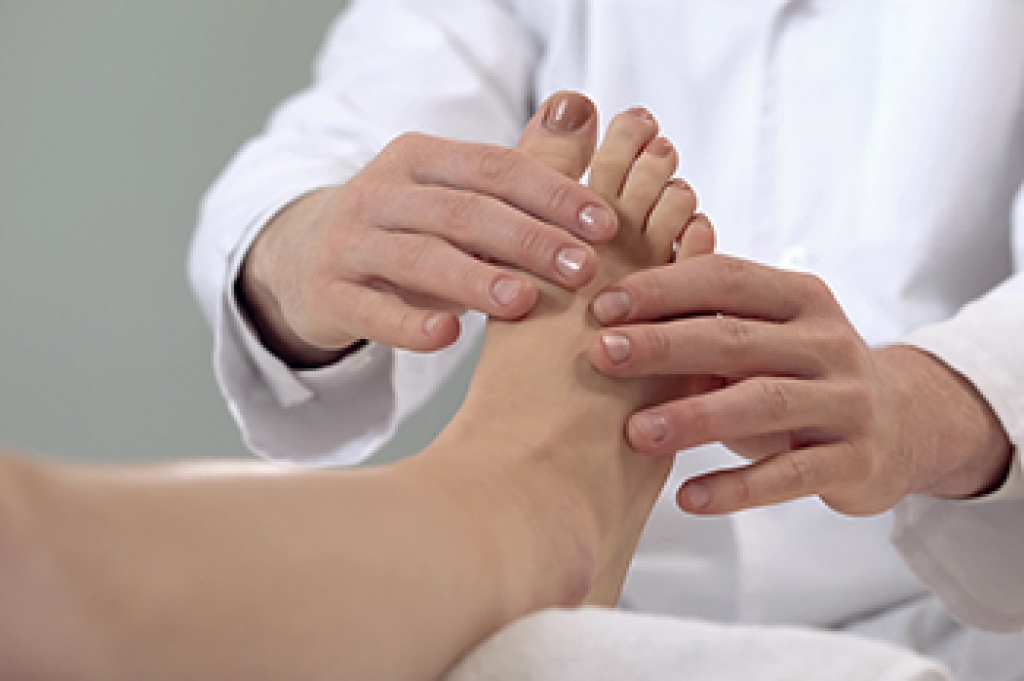
A Partial or Complete Tear of the Achilles Tendon

A common Achilles tendon injury is known as Achilles tendinopathy. The Achilles tendon connects the calf muscles to the heel bone, and can become injured from overuse. This tendon is the largest one in the body, and extreme swelling may occur when it becomes injured. People who experience this type of injury often find it difficult to walk, possibly as a result of a partial or complete Achilles tendon tear. The pain is often felt in the back of the heel, which may feel tender when touched. The Achilles tendon significantly contributes to walking, as the heel is lifted when taking a step. There are some patients who experience this type of injury from the type of shoes they wear. Additionally, an Achilles tendon injury may gradually occur from medical conditions, such as arthritis, obesity, and various foot problems. If you have endured this type of injury, please contact a podiatrist, sooner rather than later, who can guide you toward correct treatments for relief.

Achilles tendon injuries need immediate attention to avoid future complications. If you have any concerns, contact Bill Brown, DPM of Brown Podiatry. Our doctor can provide the care you need to keep you pain-free and on your feet.

What Is the Achilles Tendon?

The Achilles tendon is a tendon that connects the lower leg muscles and calf to the heel of the foot. It is the strongest tendon in the human body and is essential for making movement possible. Because this tendon is such an integral part of the body, any injuries to it can create immense difficulties and should immediately be presented to a doctor.

What Are the Symptoms of an Achilles Tendon Injury?

There are various types of injuries that can affect the Achilles tendon. The two most common injuries are Achilles tendinitis and ruptures of the tendon.

Achilles Tendinitis Symptoms

  • Inflammation
  • Dull to severe pain
  • Increased blood flow to the tendon
  • Thickening of the tendon

Rupture Symptoms

  • Extreme pain and swelling in the foot
  • Total immobility

Treatment and Prevention

Achilles tendon injuries are diagnosed by a thorough physical evaluation, which can include an MRI. Treatment involves rest, physical therapy, and in some cases, surgery. However, various preventative measures can be taken to avoid these injuries, such as:

  • Thorough stretching of the tendon before and after exercise
  • Strengthening exercises like calf raises, squats, leg curls, leg extensions, leg raises, lunges, and leg presses

If you have any questions please feel free to contact our office located in Scranton, PA . We offer the newest diagnostic tools and technology to treat your foot and ankle needs.
Read more about Achilles Tendon Injuries

What Can Cause Bunions?

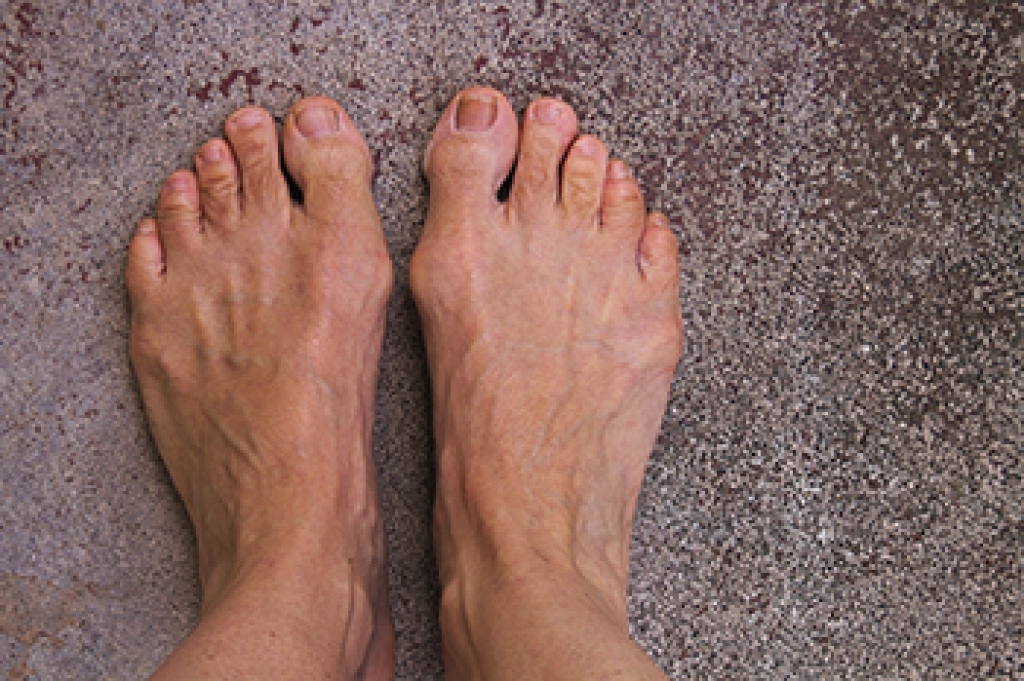
A bunion is a common foot condition that affects millions of people worldwide, and it is considered to be a deformity. Many people can develop a bunion from genetic reasons, or from wearing shoes that do not have enough room for the toes to move freely in. It is noticeable as a bony lump that gradually forms on the side of the big toe, and larger shoes may need to be purchased. If the bunion is large, it may cause the other toes to shift toward each other, which may result in pain and discomfort. Additional symptoms that can accompany a bunion can include calluses forming on the second toe, inflamed skin on the big toe, and the toes may be hard to move. There may be a decreased range of motion in the big toe, and patients may experience chronic pain. Mild relief may be found when the correct size and style shoes are worn, and a protective covering may be put over the bunion which may help to reduce friction. A podiatrist is qualified to diagnose and treat bunions, and it is strongly suggested that you confer with this type of doctor if you have this foot condition.

If you are suffering from bunions, contact Bill Brown, DPM of Brown Podiatry. Our doctor can provide the care you need to keep you pain-free and on your feet.

What Is a Bunion?

A bunion is formed of swollen tissue or an enlargement of boney growth, usually located at the base joint of the toe that connects to the foot. The swelling occurs due to the bones in the big toe shifting inward, which impacts the other toes of the foot. This causes the area around the base of the big toe to become inflamed and painful.

Why Do Bunions Form?

Genetics – Susceptibility to bunions are often hereditary

Stress on the feet – Poorly fitted and uncomfortable footwear that places stress on feet, such as heels, can worsen existing bunions

How Are Bunions Diagnosed?

Podiatrists often perform two tests – blood tests and x-rays – when trying to diagnose bunions, especially in the early stages of development. Blood tests help determine if the foot pain is being caused by something else, such as arthritis, while x-rays provide a clear picture of your bone structure to your provider.

How Are Bunions Treated?

  • Refrain from wearing heels or similar shoes that cause discomfort
  • Select wider shoes that can provide more comfort and reduce pain
  • Anti-inflammatory and pain management drugs
  • Orthotics or foot inserts
  • Surgery

If you have any questions, please feel free to contact our office located in Scranton, PA . We offer the newest diagnostic and treatment technologies for all your foot care needs.

Read more about Bunions

Genetics and Specific Foods May Cause Gout

Gout is a type of arthritis that can cause pain and discomfort. In severe cases, the pain can be so debilitating that some patients may have to crawl up the steps to avoid putting weight on the affected foot. An episode of gout is referred to as a flare-up or an attack, which can happen suddenly. A gout attack can be triggered by having excess uric acid in the blood, or it may happen for genetic reasons. Crystals can form in the joints of the big toe, and this may cause the toe to become red and swollen. Additionally, foods that are eaten with high levels of purines may contribute significantly to getting gout, and it is suggested that consuming these types of foods is greatly reduced. Red meat, shellfish, and drinks that are made with large amounts of sugar fall into this category. People who experience several bouts with gout may notice that there is joint stiffness, and the big toe may look deformed. If you have gout attacks, it is strongly advised that you are under the care of a podiatrist who can help you manage and prevent future gout episodes.

Gout is a painful condition that can be treated. If you are seeking treatment, contact Bill Brown, DPM from Brown Podiatry. Our doctor will treat your foot and ankle needs.

What Is Gout?

Gout is a form of arthritis that is characterized by sudden, severe attacks of pain, redness, and tenderness in the joints. The condition usually affects the joint at the base of the big toe. A gout attack can occur at any random time, such as the middle of the night while you are asleep.

Symptoms

  • Intense Joint Pain - Usually around the large joint of your big toe, and it most severe within the first four to twelve hours
  • Lingering Discomfort - Joint discomfort may last from a few days to a few weeks
  • Inflammation and Redness -Affected joints may become swollen, tender, warm and red
  • Limited Range of Motion - May experience a decrease in joint mobility

Risk Factors

  • Genetics - If family members have gout, you’re more likely to have it
  • Medications - Diuretic medications can raise uric acid levels
  • Gender/Age - Gout is more common in men until the age of 60. It is believed that estrogen protects women until that point
  • Diet - Eating red meat and shellfish increases your risk
  • Alcohol - Having more than two alcoholic drinks per day increases your risk
  • Obesity - Obese people are at a higher risk for gout

Prior to visiting your podiatrist to receive treatment for gout, there are a few things you should do beforehand. If you have gout you should write down your symptoms--including when they started and how often you experience them, important medical information you may have, and any questions you may have. Writing down these three things will help your podiatrist in assessing your specific situation so that he or she may provide the best route of treatment for you.

If you have any questions, please feel free to contact our office located in Scranton, PA . We offer the newest diagnostic and treatment technologies for all your foot care needs.

Read more about Gout

Laser Treatment May Help Toenail Fungus

Research has shown toenail fungus may be prevalent among the elderly population. There are several methods that can be implemented to treat toenail fungus, including laser treatment. This is a procedure that has been approved by the FDA and is said that it may be effective in killing the fungus as laser beams penetrate the nail bed. It is a painless procedure and many patients have had good results, but they could vary. Toenail fungus can be unsightly, and the symptoms generally consist of yellowed, thickened nails that often become brittle with the possibility of falling off. Patients who have toenail fungus are often embarrassed by their toenails and tend to hide their feet. If you have this condition and would like more information about the pros and cons of laser treatment, it is strongly advised that you schedule an appointment with a podiatrist who can answer any questions you may have.

Laser treatment can be an effective way to get rid of toenail fungus. If you have any questions about laser treatment, consult with Bill Brown, DPM from Brown Podiatry. Our doctor will assess your condition and provide you with quality treatment for fungal nails.

What Are Toenail Fungal Infections?

Onychomycosis, or fungal infection of the nail, is a relatively common and non-serious condition. Around 10 percent of U.S. citizens are afflicted with fungal nails. Common forms of fungus that infect the nail include dermatophytes, yeasts, and molds.

Symptoms of Toenail Fungal Infections Include:

  • Nail thickening
  • Brittleness of the nail
  • Discoloration of the nail

Diagnosis for Fungal Nails

Fungal infections are diagnosed by fungal culture and microscopy. This will rule out any other conditions such as nail trauma, psoriasis, lichen planus, and onychogryphosis.

What Is Laser Treatment?

Laser treatment is a non-invasive, safe, quick, and painless procedure that uses the heat from a laser to kill fungus in the nail. Each infected nail is targeted with a laser for several minutes. The treatment is usually utilized several different times over a select period. During this time, a podiatrist will keep an eye on the infection.

If you have any questions, please feel free to contact our office located in Scranton, PA . We offer the newest diagnostic and treatment technologies for all your foot care needs.

Read more about Laser Treatment for Fungal Nails

Plantar Warts Can Be Treated!

Plantar warts are small growths that develop on parts of the feet that bear weight. They're typically found on the bottom of the foot. Don't live with plantar warts, and call us today!

Connect With Us