
Painful deformities, such as hammertoes, can be treated. Stop living with foot pain, and have beautiful feet again!
Painful deformities, such as hammertoes, can be treated. Stop living with foot pain, and have beautiful feet again!
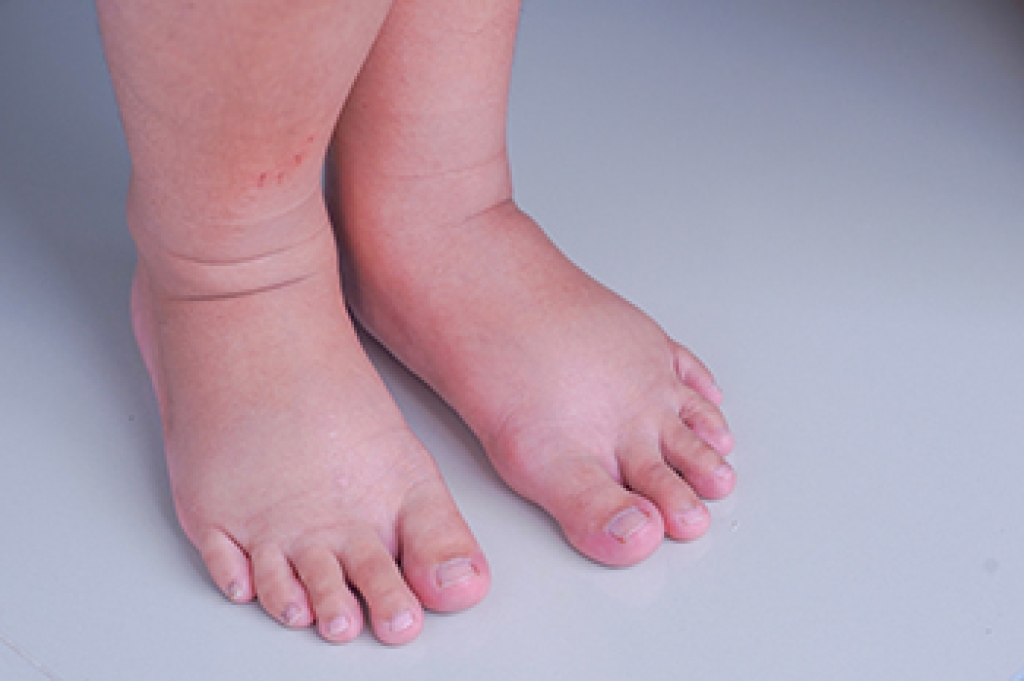
Many people have swollen feet and it is a rather common condition. It is easily noticed and can be uncomfortable. An injury is a common cause of this ailment which may disappear after the injury has healed. Additionally, there may be underlying health conditions that may cause the feet to swell and it can be a reason to seek prompt medical attention. Many pregnant women experience swollen feet, which is known as edema. Relief can come from frequently elevating the feet and from reducing salt intake. Various lifestyle factors may contribute to the development of swollen feet including sitting down for the majority of the day, wearing shoes that do not fit correctly, and being overweight. Edema may happen as a side effect of taking certain medications including antidepressants, hormones, or blood pressure medications. Many people have found effective methods that can help to control swollen feet. These can consist of drinking fresh water daily, staying active, losing an appropriate amount of weight, and consuming a healthy diet. If you suffer from swollen feet and would like to be properly diagnosed, please consult with a podiatrist who can guide you toward the correct treatment options.
Swollen feet can be a sign of an underlying condition. If you have any concerns, contact Bill Brown, DPM of Brown Podiatry. Our doctor can provide the care you need to keep you pain-free and on your feet.
Swollen feet are a common ailment among pregnant women and people who stand or sit for extended periods. Aging may increase the possibility of swollen feet and patients who are obese often notice when their feet are swelling too. There may be medical reasons why swollen feet occur:
Swollen feet can also be caused by bone and tendon conditions, including fractures, arthritis, and tendinitis. Additionally, there may be skin and toenail conditions and an infection may cause the feet to swell. Patients who take medicine to treat high blood pressure may be prone to getting swollen feet.
Many patients elevate their feet to help relieve the swelling and this is generally a temporary remedy. When a podiatrist is consulted the reason behind the swelling can be uncovered and subsequently treated.
If you have any questions please contact our office located in Scranton, PA . We offer the newest diagnostic and treatment technologies for all your foot and ankle needs.

Arthritis is an ailment that affects joints and results in pain, swelling, and stiffness. It can occur throughout different parts of your body as well as in your toes. Arthritis in the toes can make walking and balancing hard. The toe can hurt when it is lifted or when walking, but also sometimes when it is at rest. With big toe arthritis, there can be an inability to bend the toe upwards. In fact, it might bend down and be unable to lay flat. Not only is there often swelling and inflammation of the big toe joint, but sometimes a bump might form from the joints rubbing together. There are various forms of arthritis that can affect the toes. Osteoarthritis causes the cartilage between joints to break down and rub against each other. Rheumatoid arthritis is an inflammatory arthritis and can affect several small joints in the foot at the same time, including the toes. Gout, psoriatic arthritis, and infectious arthritis that can impact the toes as well. Doing regular exercises, wearing comfortable, well-fitting shoes, and maintaining a proper body weight can help to prevent toe arthritis. Rigid orthotics, steroid injections, and anti-inflammatory medications might help with pain, but sometimes surgery is necessary for relief. If you have arthritis that is affecting your toes, and less invasive options are not providing relief, see a podiatrist who can talk to you about surgical options that may help.
Foot surgery is sometimes necessary to treat a foot ailment. To learn more, contact Bill Brown, DPM of Brown Podiatry. Our doctor will assist you with all of your foot and ankle needs.
When Is Surgery Necessary?
Foot and ankle surgery is generally reserved for cases in which less invasive, conservative procedures have failed to alleviate the problem. Some of the cases in which surgery may be necessary include:
What Types of Surgery Are There?
The type of surgery you receive will depend on the nature of the problem you have. Some of the possible surgeries include:
Benefits of Surgery
Although surgery is usually a last resort, it can provide more complete pain relief compared to non-surgical methods and may allow you to finally resume full activity.
Surgical techniques have also become increasingly sophisticated. Techniques like endoscopic surgery allow for smaller incisions and faster recovery times.
If you have any questions, please feel free to contact our office located in Scranton, PA . We offer the newest diagnostic and treatment technologies for all your foot care needs.
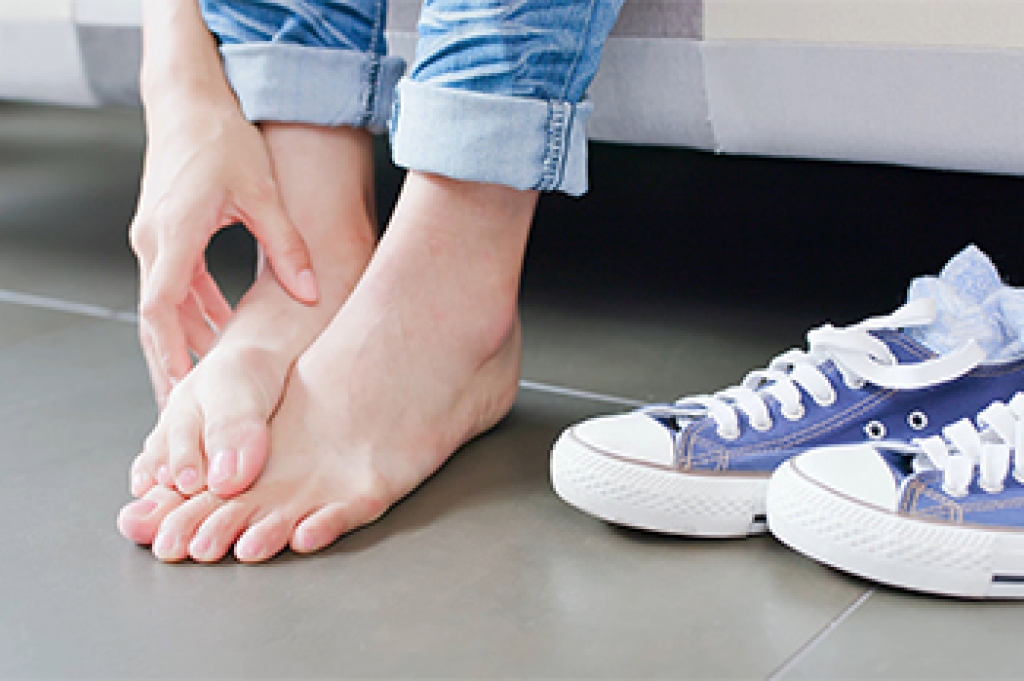
There are several types of fungi that are classified as dermatophytes which can cause skin infections, including athlete’s foot. There are different types of athlete’s foot, and each have their own symptoms. The most common form of athlete's foot is called chronic interdigital athlete’s foot, and the skin is generally itchy between the fourth and fifth toes. It can develop by wearing shoes that are too tight, creating a moist environment that can encourage fungal growth. Chronic scaly athlete's foot, which is also referred to as moccasin-type, can be found on the sole of the foot. The skin is typically dry, and underneath it can be pink and tender. The least common type of this kind of skin infection is referred to as acute vesicular athlete’s foot. The symptoms that are associated with this can consist of blisters that develop on the bottom or top of the foot, and is caused by multiple fungi. Athlete's foot is considered to be contagious, and it is advised to wear appropriate footwear while in public swimming pools, locker rooms, and standing on shower room floors. If you have signs of this skin infection, please consult with a podiatrist as quickly as possible who can start you with the appropriate treatment.
Athlete’s foot is an inconvenient condition that can be easily reduced with the proper treatment. If you have any concerns about your feet and ankles, contact Bill Brown, DPM from Brown Podiatry. Our doctor will treat your foot and ankle needs.
Athlete’s Foot: The Sole Story
Athlete's foot, also known as tinea pedis, can be an extremely contagious foot infection. It is commonly contracted in public changing areas and bathrooms, dormitory style living quarters, around locker rooms and public swimming pools, or anywhere your feet often come into contact with other people.
Solutions to Combat Athlete’s Foot
Athlete’s foot can cause many irritating symptoms such as dry and flaking skin, itching, and redness. Some more severe symptoms can include bleeding and cracked skin, intense itching and burning, and even pain when walking. In the worst cases, Athlete’s foot can cause blistering as well. Speak to your podiatrist for a better understanding of the different causes of Athlete’s foot, as well as help in determining which treatment options are best for you.
If you have any questions please feel free to contact our office located in Scranton, PA . We offer the newest diagnostic and treatment technologies for all your foot and ankle needs.
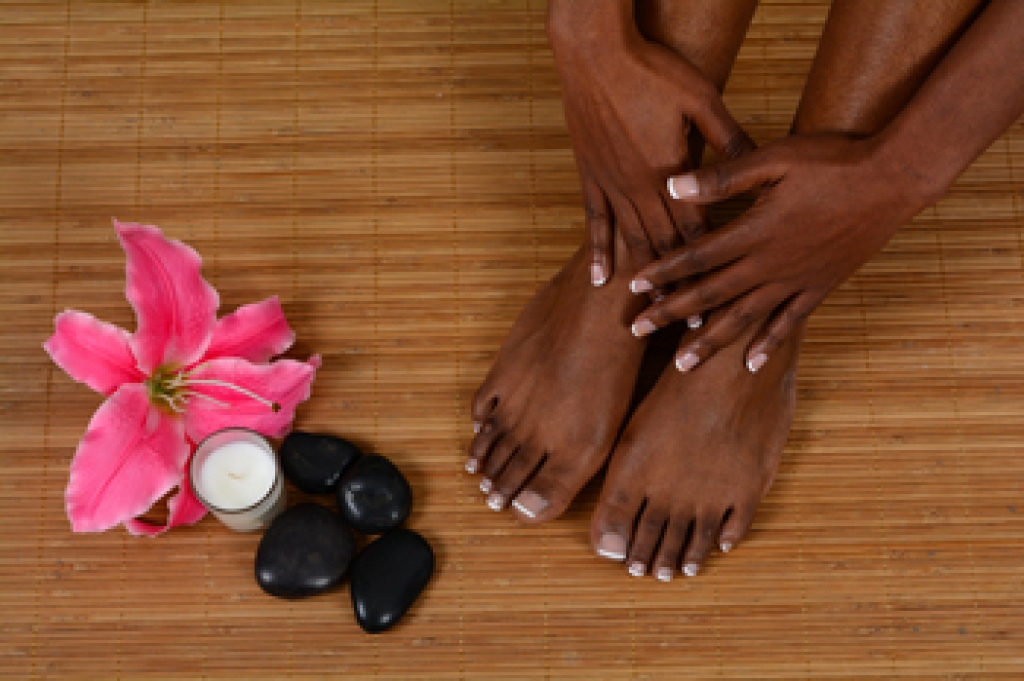
Taking small but deliberate steps everyday to care for your feet can help to keep them functioning well and feeling great. Although each individual’s daily foot care routine is a highly individualized process, there are a number of steps you might consider incorporating into your routine. First, try washing your feet every day with soap and warm water to ensure that they are clean. This can be done either in the shower or in a small tub of water. After washing your feet, dry them thoroughly with a towel and apply your favorite moisturizer, focusing especially on the heels to prevent cracks and dryness. You might also consider taking time each day to briefly inspect your feet, checking for any signs of infection. During these inspections, you should be on the lookout for cuts, redness, and inflammation. To cap off your daily foot care routine, you might also check to make sure that your toenails do not need to be trimmed. Leaving your toenails untrimmed for too long might put you at a greater risk of developing an ingrown toenail. To learn more about these daily health tips and others, reach out to a podiatrist.
Everyday foot care is very important to prevent infection and other foot ailments. If you need your feet checked, contact Bill Brown, DPM from Brown Podiatry. Our doctor can provide the care you need to keep you pain-free and on your feet.
Everyday Foot Care
Often, people take care of their bodies, face and hair more so than they do for their feet. But the feet are a very important aspect of our bodies, and one that we should pay more attention to. Without our feet, we would not be able to perform most daily tasks.
It is best to check your feet regularly to make sure there are no new bruises or cuts that you may not have noticed before. For dry feet, moisturizer can easily be a remedy and can be applied as often as necessary to the affected areas. Wearing shoes that fit well can also help you maintain good foot health, as well as making it easier to walk and do daily activities without the stress or pain of ill-fitting shoes, high heels, or even flip flops. Wearing clean socks with closed shoes is important to ensure that sweat and bacteria do not accumulate within the shoe. Clean socks help to prevent Athlete’s foot, fungi problems, bad odors, and can absorb sweat.
If you have any questions, please feel free to contact our office located in Scranton, PA . We offer the newest diagnostic and treatment technologies for all your foot care needs.
Connect With Us
