
Do you work on your feet all day and find your feet in pain? Don't go to work in pain each day. Your foot pain can be treated, and we can help.
Do you work on your feet all day and find your feet in pain? Don't go to work in pain each day. Your foot pain can be treated, and we can help.
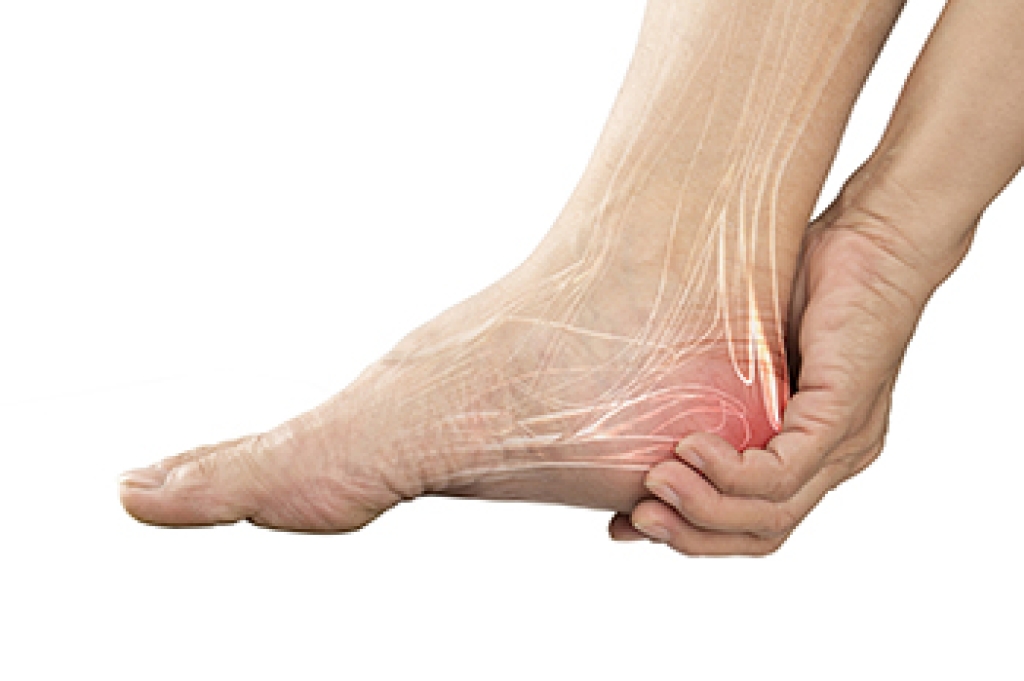
If you are experiencing heel pain, chances are you may have plantar fasciitis, which is the most common cause. Plantar fasciitis occurs when there is an inflammation of the plantar fascia tissue on the bottom of the foot. This connective tissue attaches at the heel bone, then extends towards the forefoot, fanning out into five bands that attach to each toe’s phalanx bone. The plantar fascia supports the arch and helps to act as a shock absorber when walking, running, and jumping. Since the plantar fascia is used continuously in everyday activities it can become stressed, overused, and even torn. The heel pain of plantar fasciitis is usually at its most severe when you take your first steps after waking up or resting. It is suggested that you make an appointment with a podiatrist if you are experiencing any kind of heel pain. Podiatrists treat plantar fasciitis and other forms of heel pain every day and have many therapies and methods of treatment that will offer you the relief you seek.
Plantar fasciitis can be very painful and inconvenient. If you are experiencing heel pain or symptoms of plantar fasciitis, contact Bill Brown, DPM from Brown Podiatry. Our doctor can provide the care you need to keep you pain-free and on your feet.
What Is Plantar Fasciitis?
Plantar fasciitis is the inflammation of the thick band of tissue that runs along the bottom of your foot, known as the plantar fascia, and causes mild to severe heel pain.
What Causes Plantar Fasciitis?
How Can It Be Treated?
While very treatable, plantar fasciitis is definitely not something that should be ignored. Especially in severe cases, speaking to your doctor right away is highly recommended to avoid complications and severe heel pain. Your podiatrist can work with you to provide the appropriate treatment options tailored to your condition.
If you have any questions, please feel free to contact our office located in Scranton, PA . We offer the newest diagnostic and treatment technologies for all your foot care needs.

Focal hyperhidrosis is when the palms of the hands or soles of the feet sweat excessively. This condition can be inherited, be due to an underlying health problem (such as menopause, obesity, or diabetes), be a side effect of medications, or have no known cause. Though not serious itself, hyperhidrosis can lead to other uncomfortable skin problems or infections and can cause anxiety and embarrassment. This condition usually starts in adolescence. Clammy or wet soles of the feet can be reduced by wearing footwear made of natural materials, like leather, wearing moisture absorbing socks, and using foot antiperspirants. People who suffer from hyperhidrosis may be afraid to seek help or may not know that several other treatment options exist. Consulting with a podiatrist will help you identify if there is a possible underlying cause for this problem, and to assist you with obtaining a more effective treatment plan.
If you are suffering from hyperhidrosis contact Bill Brown, DPM of Brown Podiatry. Our doctor can provide the care you need to attend to all of your foot and ankle needs.
Hyperhidrosis of the Feet
Hyperhidrosis is a rare disorder that can cause people to have excessive sweating of their feet. This can usually occur all on its own without rigorous activity involved. People who suffer from hyperhidrosis may also experience sweaty palms.
Although it is said that sweating is a healthy process meant to cool down the body temperature and to maintain a proper internal temperature, hyperhidrosis may prove to be a huge hindrance on a person’s everyday life.
Plantar hyperhidrosis is considered to be the main form of hyperhidrosis. Secondary hyperhidrosis can refer to sweating that occurs in areas other than the feet or hands and armpits. Often this may be a sign of it being related to another medical condition such as menopause, hyperthyroidism and even Parkinson’s disease.
In order to alleviate this condition, it is important to see your doctor so that they may prescribe the necessary medications so that you can begin to live a normal life again. If this is left untreated, it is said that it will persist throughout an individual’s life.
A last resort approach would be surgery, but it is best to speak with your doctor to find out what may be the best treatment for you.
If you have any questions, please feel free to contact our office located in Scranton, PA . We offer the newest diagnostic and treatment technologies for all your foot care needs.

There are several reasons why people can break their foot. These can include enduring an injury, falling off a curb, or having something heavy drop on the foot. Common symptoms that many patients can experience include severe pain, swelling, bruising, and difficulty walking. Additionally, some people experience numbness in their toes and there may be cracking sounds when the foot is moved. A proper diagnosis consists of having an X-ray performed, and this is generally accurate in determining the severity of the fracture. The average foot fracture is treated by wearing a boot or a cast. A cast can be helpful in providing the stability that is needed during the healing process. A severely broken foot can be deformed and surgery may be a necessary option for permanent relief. If you have fractured your foot, it is strongly suggested that you consult with a podiatrist who can choose the correct form of treatment for you.
A broken foot requires immediate medical attention and treatment. If you need your feet checked, contact Bill Brown, DPM from Brown Podiatry. Our doctor can provide the care you need to keep you pain-free and on your feet.
Broken Foot Causes, Symptoms, and Treatment
A broken foot is caused by one of the bones in the foot typically breaking when bended, crushed, or stretched beyond its natural capabilities. Usually the location of the fracture indicates how the break occurred, whether it was through an object, fall, or any other type of injury.
Common Symptoms of Broken Feet:
Those that suspect they have a broken foot shoot seek urgent medical attention where a medical professional could diagnose the severity.
Treatment for broken bones varies depending on the cause, severity and location. Some will require the use of splints, casts or crutches while others could even involve surgery to repair the broken bones. Personal care includes the use of ice and keeping the foot stabilized and elevated.
If you have any questions, please feel free to contact our office located in Scranton, PA . We offer the newest diagnostic and treatment technologies for all your foot care needs.
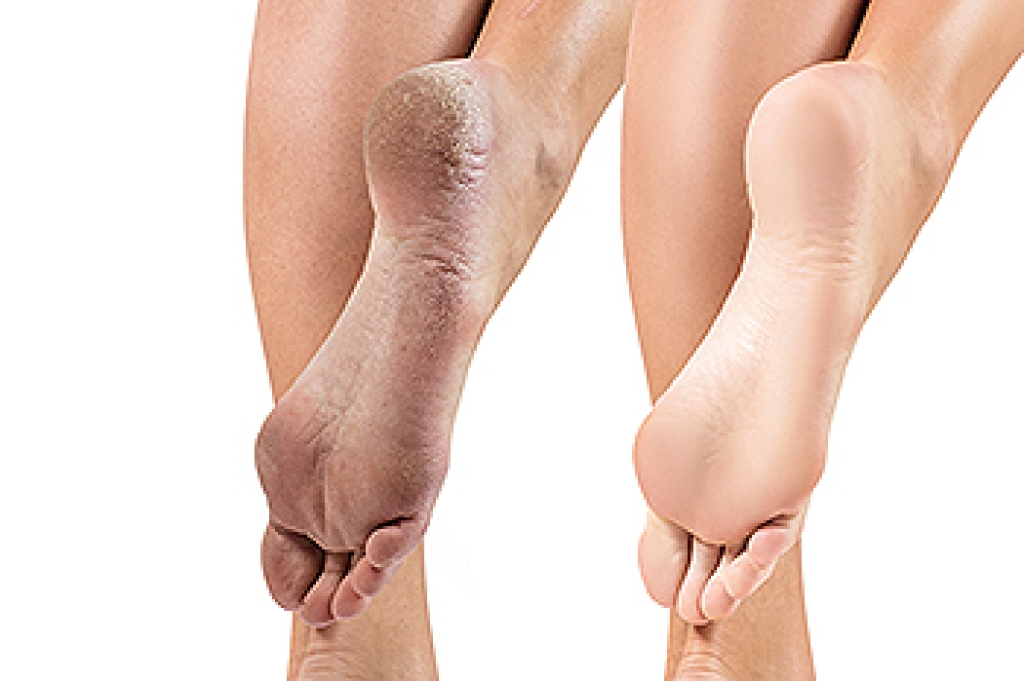
The most obvious reason a patient can get cracked heels is by having dry skin. Additional reasons that this uncomfortable foot condition can develop include standing on hard surfaces for long periods of time during the day, being overweight, and having foot problems that may increase heel pressure. It can happen to people who wear flip-flops or open backed shoes, which can cause the fat pads in the heel to expand sideways. Existing medical conditions may cause cracked heels. These can include psoriasis, eczema, or diabetes. Cracked heels can cause pain and discomfort, and may become infected if bacteria enters the body through the cracks. Effective prevention methods include wearing shoes that have a closed back and fit correctly, and frequently applying a good moisturizer throughout the day. Many people choose to wear padded socks which may help to prevent injuries to the affected foot. If you have cracked heels, it is suggested that you confer with a podiatrist who can guide you toward the treatment that is correct for you.
Cracked heels are unsightly and can cause further damage to your shoes and feet. If you have any concerns, contact Bill Brown, DPM from Brown Podiatry. Our doctor can provide the care you need to keep you pain-free and on your feet.
Cracked Heels
Cracked heels appear unappealing and can make it harder for you walk around in sandals. Aside from looking unpleasant, cracked heels can also tear stockings, socks, and wear out your shoes. There are several methods to help restore a cracked heel and prevent further damage.
How Do You Get Them?
Dry skin is the number one culprit in creating cracked heels. Many athletes, walkers, joggers, and even swimmers suffer from cracked heels. Age and skin oil production play a role to getting cracked heels as well.
Promote Healing
Over the counter medicines can help, especially for those that need instant relief or who suffer from chronic dry feet.
Wear Socks – Wearing socks with medicated creams helps lock in moisture.
Moisturizers – Applying both day and night will help alleviate dryness which causes cracking.
Pumice Stones – These exfoliate and remove dead skin, which allows for smoother moisturizer application and better absorption into the skin.
Change in Diet
Eating healthy with a well-balanced diet will give the skin a fresh and radiant look. Your body responds to the kinds of food you ingest. Omega-3 fatty acids and zinc supplements can also revitalize skin tissue.
Most importantly, seek professional help if unsure how to proceed in treating cracked heels. A podiatrist will help you with any questions or information needed.
If you have any questions, please feel free to contact our office located in Scranton, PA . We offer the newest diagnostic and treatment technologies for all your foot care needs.
Connect With Us
